
About Khon Kaen
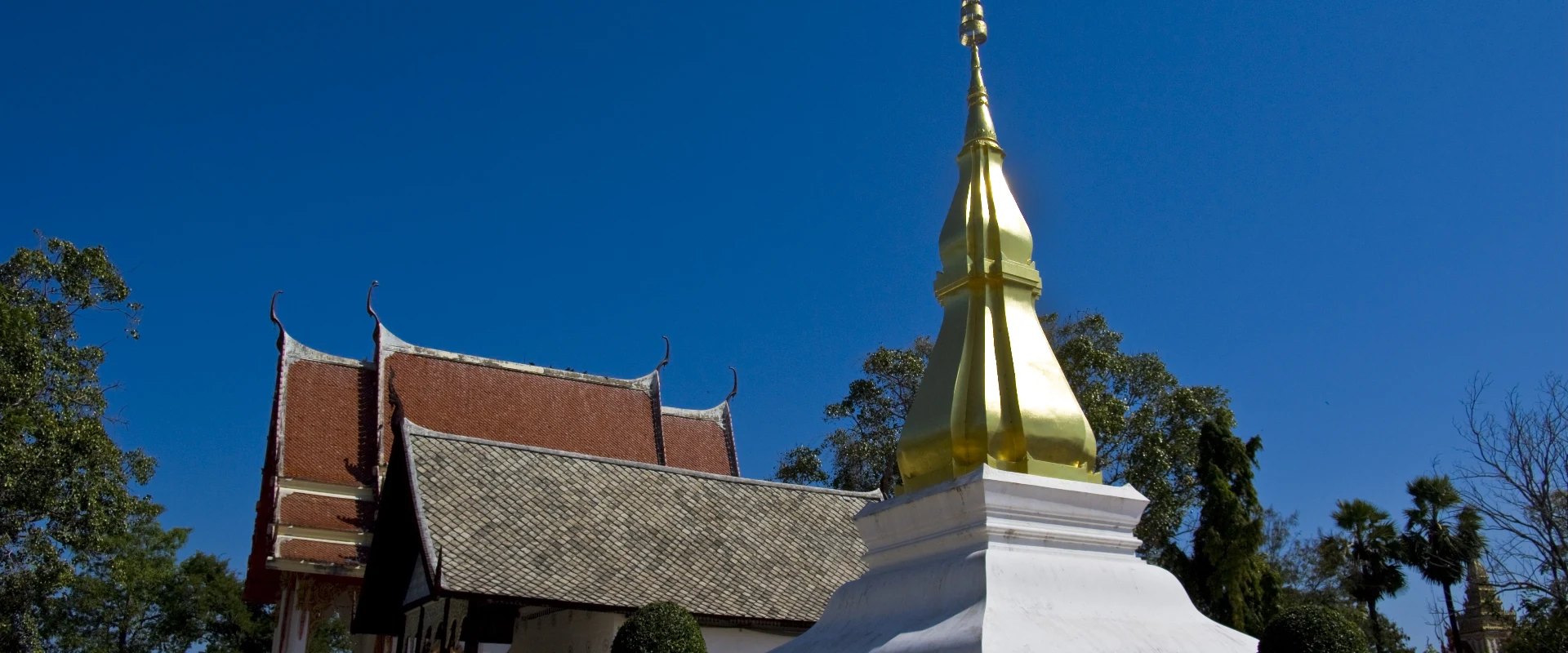
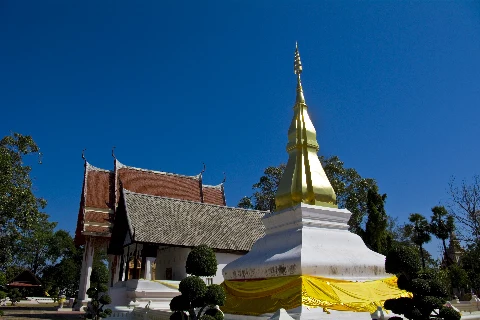
Khon Kaen is one of the principal urban and transport hubs of Northeastern Thailand, but the province extends far beyond its capital city. Mueang Khon Kaen combines university life, markets, Isan food and modern services with Bueng Kaen Nakhon and Phra Mahathat Kaen Nakhon at Wat Nong Waeng. The provincial character is practical and energetic rather than resort-focused, making Khon Kaen a useful base for travellers who want city comforts alongside access to northeastern culture and countryside.
Choose districts according to the experience. Mueang Khon Kaen is the simplest base for flights, trains, buses, restaurants and evening markets. Chonnabot is associated with handwoven mudmee silk; Nam Phong is home to the revered Phra That Kham Kaen; and Phu Wiang and Wiang Kao lead to fossil sites and the Phu Wiang Dinosaur Museum, reflecting the area where Thailand's first dinosaur bone discovery was recorded. Ubolratana provides reservoir scenery and access toward Phu Kao–Phu Phan Kham National Park, while Chum Phae and Phu Pha Man are useful western gateways for limestone landscapes, caves and longer nature trips.
Khon Kaen covers 10,885.99 square kilometres. At 31 December 2024 it was divided into 26 districts, 199 subdistricts and 2,335 villages. Its registered population was 1,772,381 in 2024; this is the province-wide civil-registration count reported by Thailand's National Statistical Office from Department of Provincial Administration data, not the population of Khon Kaen city and not a visitor count. Khon Kaen Airport, the northeastern railway and long-distance buses connect the capital with Bangkok and other regional centres, while Highway 2 is the main road axis. Attractions outside Mueang are dispersed, so a car or arranged driver is usually the most efficient choice for multi-district trips.
November to February is generally the most comfortable period for city walks and outdoor touring; March to May is hot, and the wet season from roughly May to October brings greener landscapes along with storms and changing trail conditions. Two or three days can cover the city and one focused excursion, while Phu Wiang, Ubolratana or Phu Pha Man combinations need more road time. Dress respectfully at active temples, seek permission before photographing people or weaving work, check museum and national-park notices before setting out, and confirm current flight, train and bus schedules. Visitors mainly interested in city life can stay centrally; travellers prioritising fossils, silk or mountain scenery should plan separate district days rather than treating the province's sights as close together.