
About Nakhon Si Thammarat
Nakhon Si Thammarat is one of southern Thailand's largest and most culturally significant provinces, extending from the Gulf of Thailand coast to the forested Nakhon Si Thammarat mountain range. The provincial capital is an important centre of southern Buddhist history, while local identity is also expressed through nang talung shadow puppetry, southern dance-drama, craft traditions and a distinctive food culture.
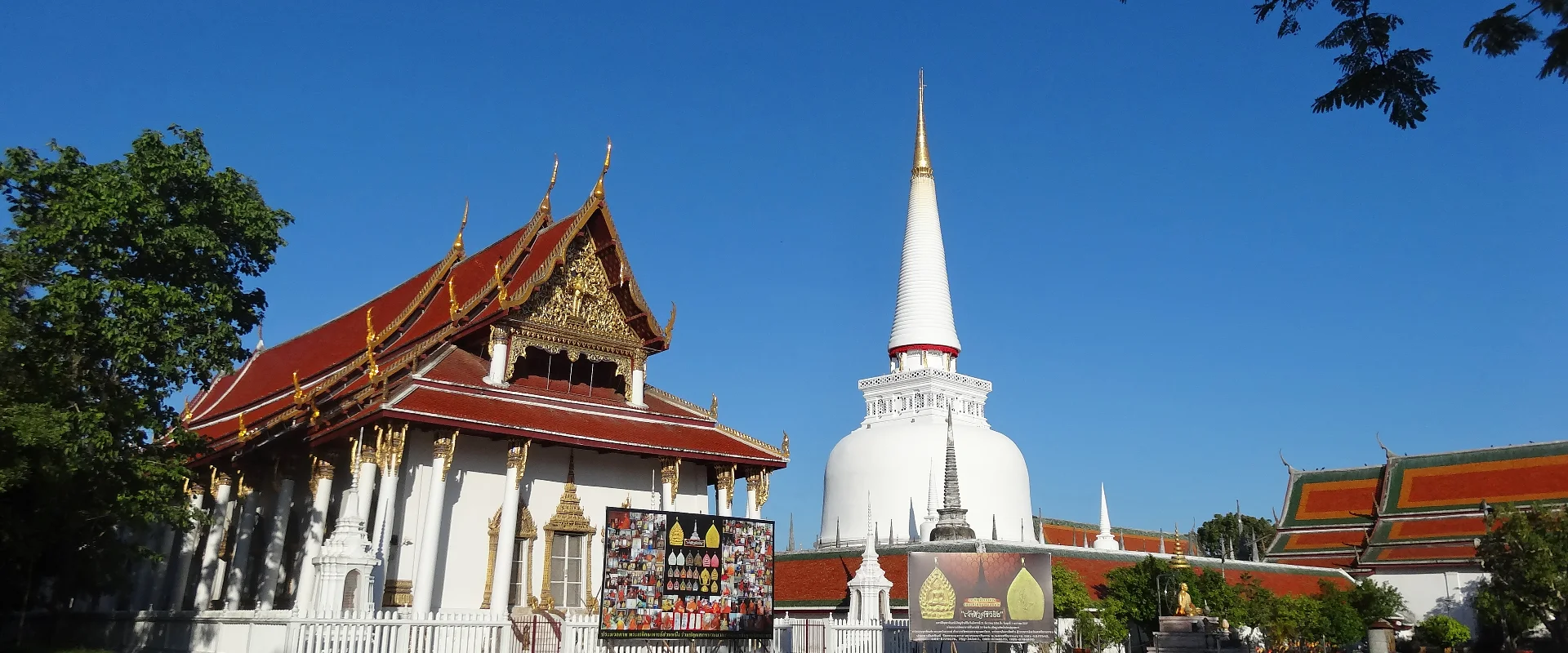
Choose a base for the experience you want. Mueang Nakhon Si Thammarat is the cultural core, led by Wat Phra Mahathat Woramahawihan and the city's museums, temples and performing-arts traditions. Lan Saka is the route to Ban Kiriwong and the foothills of Khao Luang National Park. Khanom and Sichon serve the northern Gulf coast, where beaches and wildlife-watching trips require attention to sea conditions and responsible viewing distances. Pak Phanang has a different coastal and river landscape, while Thung Song is a practical rail and road junction for the province's interior.
The province covers 9,942.50 square kilometres. At 31 December 2024 it had 23 districts, 169 subdistricts and 1,553 villages. Its registered population was 1,534,653 in 2024; this is the province-wide civil-registration count, not the population of Nakhon Si Thammarat city and not a visitor estimate. Nakhon Si Thammarat Airport provides air access, and State Railway of Thailand services reach the provincial capital via Khao Chum Thong Junction; Thung Song is the larger Southern Line junction. Road transfers are still needed for Kiriwong, national-park areas and the northern beaches.
Weather varies between the coast and mountains. February to April is often comparatively drier for broad province touring, though March and April can be very hot. July and August coincide with fruit season highlighted for Kiriwong, but rain remains possible. The Gulf-facing coast can receive its heaviest rain, flooding risk and rougher seas during the northeast-monsoon period, especially late in the year, so check Thai Meteorological Department warnings and boat conditions. Dress respectfully at temples, use licensed transport or responsible tour operators, and confirm current park, attraction, flight and rail information before travelling.