

ThailandNavigator
Thailand Guide

Moving to Thailand With a Cat or Dog

Build a move timeline around the Thai entry port, import permit, veterinary papers, carrier approval, arrival inspection and pet-friendly housing.

Reading time
4 min read
Reviewed
Reviewed
Editorial owner
Thailand Navigator Editorial Team
Context
Bangkok
Suvarnabhumi Airport passenger arrival hall
Suvarnabhumi passenger arrival hall, archival photo. Terence Ong, CC BY 2.5 (https://creativecommons.org/licenses/by/2.5/). Cropped and resized. Original on Wikimedia Commons.
Confirm the current import rules with the Animal Quarantine Station at your exact port and the exporting country’s competent authority. Aircraft, route, temperatures and pet policies can change.
Quick answer

Confirm the entry airport and operating carrier before buying the ticket

Use the pet’s microchip and health records to work back from the vet certificate, carrier requirements and Thai animal quarantine office hours.

Before booking Confirm your pet’s eligibility, flight method, route, crate and the exact arrival office.
Before departure Collect the permit, vet certificate, endorsement and original records your route needs.
At arrival Allow time for animal quarantine, customs and a confirmed onward car and home.

Build a pet move from the exact flight and arrival point

Choose the option that best matches your situation to see the most relevant part of this guide.

Plan your pet’s move as a separate booking. Confirm the exact Thai entry airport, whether the pet will travel with you or as cargo, and which airline operates every leg. Choose a housing and onward-vehicle plan that takes the animal and crate.

1

Choose the flight and the Thai arrival office

1. Ask the operating carrier about every leg before paying. Confirm whether your dog or cat may travel in the cabin, as checked baggage or as cargo on your itinerary. Ask about aircraft, breed, age, weight, crate dimensions and ventilation, connection handling, seasonal temperature limits, advance request deadline and flight changes. For one example, Thai Airways publishes a checked-baggage process with flight-specific restrictions. Obtain written acceptance for your pet and crate.

2. Confirm the actual Thai port and office. Contact the Animal Quarantine Station for Suvarnabhumi, Don Mueang, Chiang Mai, Phuket, Samui or the airport on your flight. Ask about import paperwork, transit routing, the exact office and whether its passenger and cargo channels differ. Confirm any connecting country’s requirements separately.
2

Work back from the departure and arrival dates

  • Several weeks before the flight
    Ask a vet to scan the microchip and match it digit for digit across every record. Ask the export authority and Thai office what vaccination, age, test and original-document requirements apply. For the US route, the Thai consulate lists a 21-day wait after primary vaccines before the permit application and separate leptospirosis requirements for dogs.
  • When your entry port tells you to apply
    Send the Thai Animal Quarantine Station its requested application with the owner, pet, chip, health and flight records. The Thai consulate’s US instructions say apply 7–60 days before departure, suggest 30 days, and give 5–7 Thai business days for processing once a complete application arrives. Confirm your port’s email and calendar before relying on it.
  • In the certified pre-flight window
    Use the exact country-specific certificate and required government endorsement. The USDA dog and cat certificate uses a vet inspection within 10 days of departure and is valid for 10 days after issue on its published form. Confirm how APHIS endorsement and the Thai arrival window apply to your itinerary. The UK’s APHA lists export health certificate 2917 for cats and dogs going to Thailand. Carry accepted originals and copies, with names and chip numbers matching across documents.
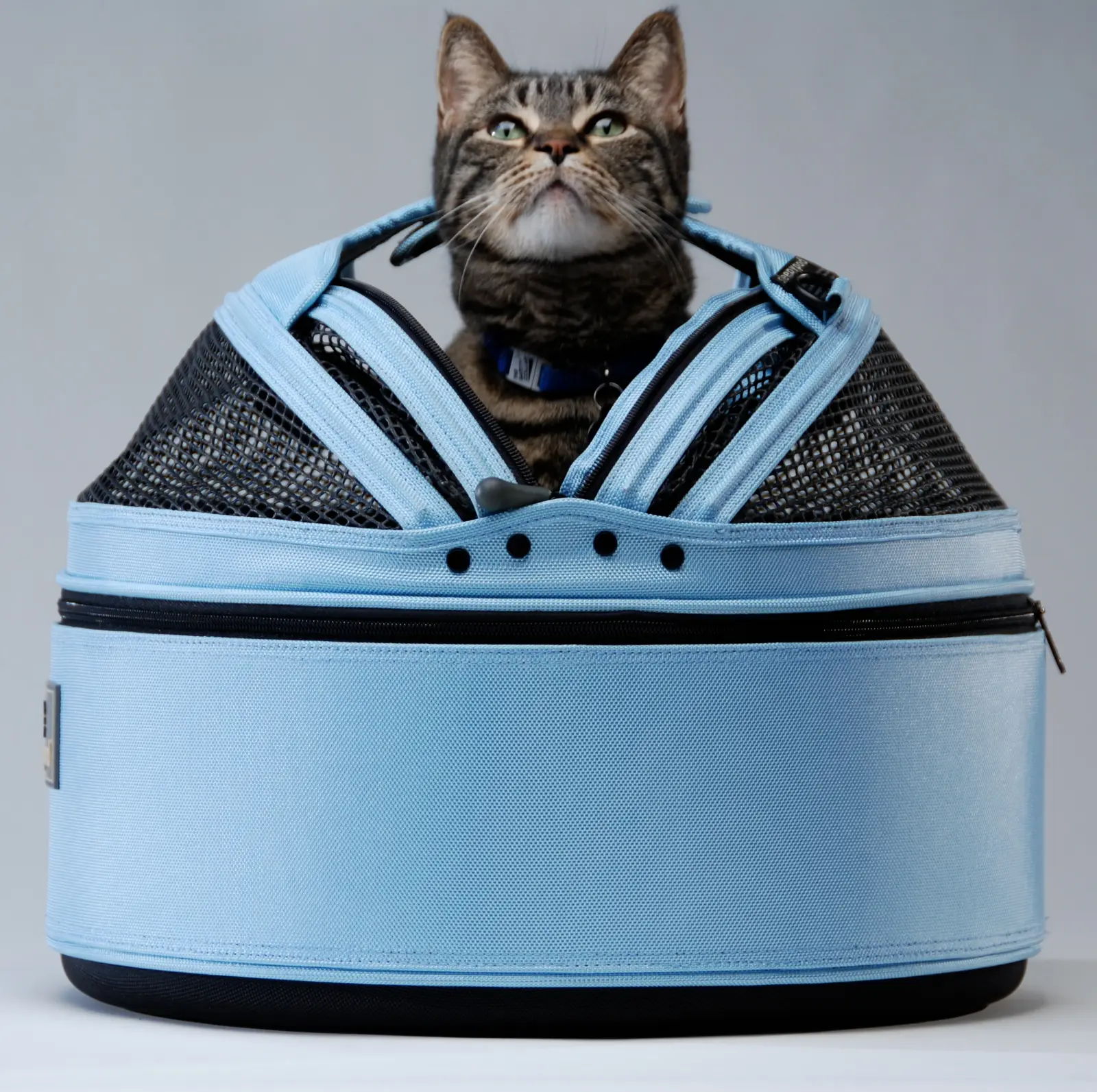
A cat inside a vented carrier
A cat in a carrier. Check the operating airline’s current crate requirements for your flight. Greg Mote, CC BY 2.0 (https://creativecommons.org/licenses/by/2.0/). Resized. Original on Wikimedia Commons.
3

Allow time for the arrival inspection and customs

For an accompanied animal at Suvarnabhumi, Airports of Thailand places the passenger Animal Quarantine Station by baggage carousel 8 on the arrivals level. Confirm the inspection order and collection point before arrival, and report to animal quarantine and customs as directed. The US consulate guidance lists Thai import approval and licence forms R-6 and R-7 at the station and a ฿500 fee per animal. Ask the port about any separate customs, airline, handling or storage charges and acceptable payment.

For manifest cargo, meet the carrier’s cargo agent and follow its directions to the Cargo Free Zone Animal Quarantine Station in Building CE-1. Thai consular guidance distinguishes Suvarnabhumi’s around-the-clock passenger service from a cargo office that lists weekday hours, excluding holidays. Confirm when inspection, customs release and collection can all happen before choosing the flight. Bring paper copies and keep the booking, permit and vaccine records where you can reach them.

4

Confirm the home car and vet before travelling

Ask for permission in writing from the landlord and the building for your actual animal, size and number of pets. Confirm lease fees, common area rules, balcony and window security, ventilation and a safe place to recover after the flight. Use the Bangkok condo viewing guide and the rental handover checklist to carry the exact building permission and condition into your lease record.

Reserve a vehicle that accepts your animal and the full crate at the actual pickup door, using the Bangkok airport transfer guide for terminal orientation. Keep water and your vet’s care instructions available. Thonglor Pet Hospital – Rama 9 lists pet relocation and veterinary travel documentation. Its service can coordinate Thai permit and licensing arrangements with partners. Confirm the appointments and services you need independently of its emergency hours. Ask your vet on fitness to fly and managing the journey. If travelling with a mobility aid, use the wheelchair travel guide for the people’s transfer, steps and vehicle access.

Sources and review

Sources used for this guide

Sources are reviewed regularly so important changes can be reflected in the guide.

Suggest content

Help us improve Thailand Navigator.
What would you like to do?

Current location: Bangkok

Your account, current page and submission date are recorded automatically.

Community experiences

Reviews of Moving to Thailand With a Cat or Dog

Read first-hand experiences, then share your own.

Write a review
Loading member reviews…
Reviews reflect members’ own experiences.

Want to write a review?

Closing this prompt will not remove your rating.

Choose language

Select the language used across Thailand Navigator.

You can change this any time from the language menu.