
Thailand Guide
Buddhist Etiquette in Thailand
A practical Thai temple visit checklist covering clothing, shoes, worship, photographs, monks and nuns, donations and the Grand Palace’s site-specific rules.
Reviewed 2 November 2026 using the sources below. Confirm current rules, availability and prices directly before acting.
Start here
Follow the site’s rules and leave worshippers space
Prepare modest clothing, read the entrance notices and watch where footwear is removed. Ask when unsure about photography, a ceremony or access. The Grand Palace has its own stricter dress rules; a general temple checklist does not override the instructions at a particular sacred site.
Before leaving for a temple Work through the practical checks before proceeding.
At the entrance: clothing and shoes Look for the dress notice before joining a queue.
Inside a worship space Keep voices low, silence the phone and give worshippers room.
Find the information you need
Choose the option that best matches your situation to see the most relevant part of this guide.
Before leaving for a temple
0 checked
0%
At the entrance: clothing and shoes
Look for the dress notice before joining a queue. A staffed ticket entrance and a small neighbourhood temple may use different arrangements. Do not assume a scarf will make every outfit acceptable. At the Grand Palace, the official list excludes sleeveless or see-through tops, shorts, torn or tight trousers and other specified clothing; check its current instructions before travelling.
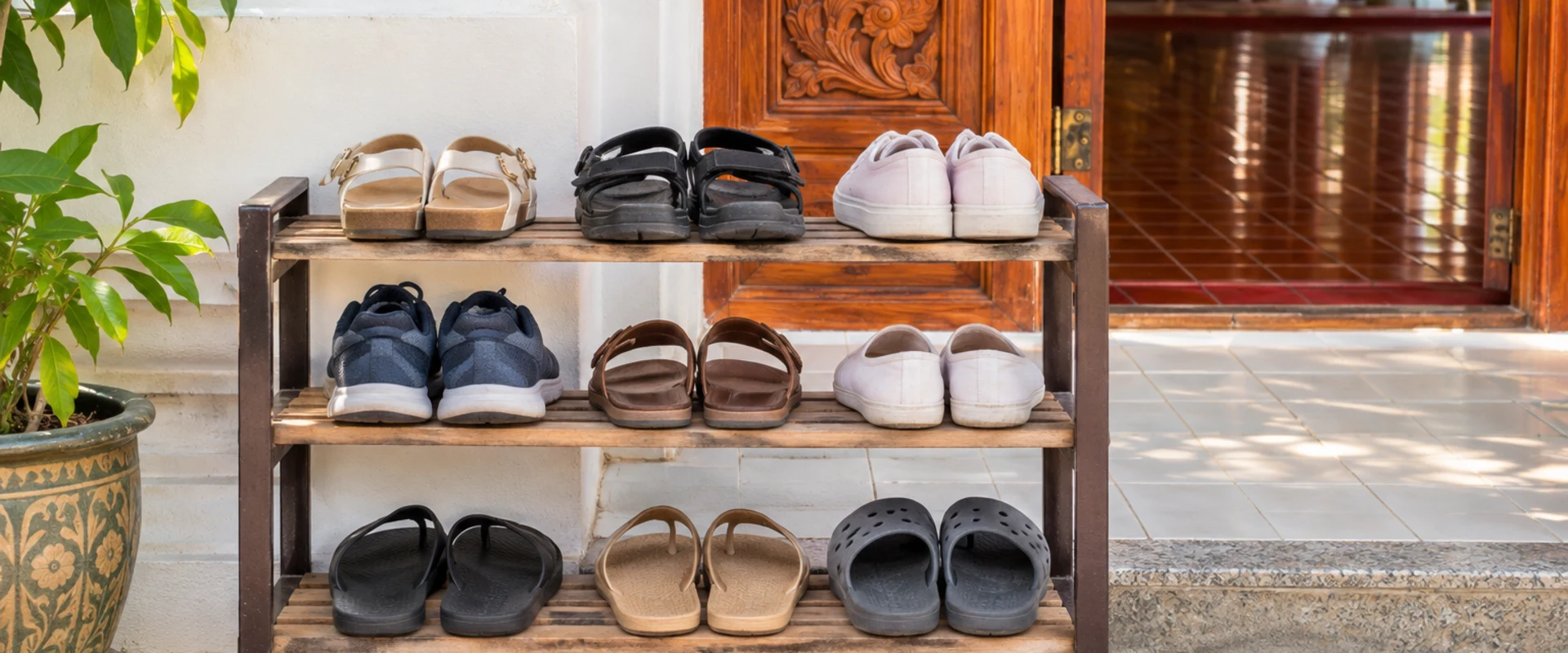
Remove shoes where indicated and leave them tidily at the designated rack or area. Keep entrances clear while doing so. If the route is confusing, ask a staff member or volunteer rather than following another visitor into an area that may be private.
Inside a worship space
Keep voices low, silence the phone and give worshippers room. Stay out of a ceremony’s path and avoid blocking the doorway for a photograph. Follow the seating arrangement and keep feet away from people and sacred images; choose a comfortable position that respects the setting rather than attempting a painful pose.
Do not climb on, lean against or use religious objects as props. Visitors do not need to perform a ritual to be respectful. Observe quietly or ask a guide or attendant about an appropriate way to participate. If a space is reserved or temporarily closed, wait for permission instead of stepping past a barrier.
Photography: four useful decisions
First read the sign: no-photo and restricted areas take priority over an attractive view. Second, ask before close photographs of people, especially someone praying or taking part in a ceremony. Third, avoid flash or equipment that disturbs the space. Fourth, leave room for other visitors to pass.
A phone snapshot, a posed commercial shoot, filming and a drone flight are different activities. The Grand Palace specifically prohibits drones over its area and publishes filming and photography regulations. Do not infer permission for a drone or professional shoot from permission to carry a camera.
Speaking with monks, nuns and temple volunteers
Wait until the person is available and ask whether conversation or a photograph is welcome. Keep a respectful distance and do not touch a monastic or hand something across a boundary without guidance. If giving an item, ask how the recipient would like it placed or passed; arrangements can differ with the person, tradition and setting.
A short, calm question is better than treating every monastic as a tour guide. Follow the organiser’s instructions for almsgiving or a religious event, including where visitors stand and what may be offered. Children can take part with simple guidance and space to step out if tired.
If you arrive during a ceremony or make a mistake
If worship is underway, pause at the edge and ask where visitors may sit or stand. If a member of staff points out a clothing, shoe or photography issue, stop, acknowledge it and make the requested change. A brief apology and a calm correction usually keep the interaction straightforward.
Use marked donation boxes or the site’s own instructions if you choose to contribute. Confirm any ticket, guide or ritual cost before agreeing, and obtain a receipt where available. An unsolicited approach outside a temple does not establish that the person represents it. For a claimed closure, check with the actual entrance or official channel.
Respect includes understanding the setting
Temples can be places of worship, community learning, ceremonies and daily work at the same time. Festival customs are also more than a photo opportunity: UNESCO’s account of Songkran describes family, community and religious practices alongside the New Year celebrations. Let the particular community explain its event.
Thailand has Buddhist traditions as well as Muslim, Christian, Sikh, Hindu and other communities. These temple suggestions should not be used as a universal rulebook for every religious site. Read the instructions and ask the host at the place you are actually visiting.
Useful next steps
Cultural etiquette
Handle introductions and everyday social situations.
Learn moreLocal customs
Prepare for home visits, markets and shared meals.
Learn moreSongkran
Understand the festival’s cultural and practical context.
Learn moreThai culture
Explore regional and community diversity.
Learn moreSources and review
Sources used for this guide
Sources are reviewed regularly so important changes can be reflected in the guide.
Temple and sacred-site etiquetteTourism Authority of Thailand Last checked 2 Nov 2026
Grand Palace visitor dress and practical rulesThe Grand Palace / Royal Office Last checked 2 Nov 2026
Songkran: traditional Thai New Year and community practiceUNESCO Intangible Cultural Heritage Last checked 2 Nov 2026
Community experiences
Reviews of Buddhist Etiquette in Thailand
Read first-hand experiences, then share your own.
Loading member reviews…
Reviews are temporarily unavailable. Please try again.
—
Ratings include stars without a written review.Rating distribution
No written reviews yet
Your experience could help the next visitor decide what to explore.
Be the first to share your experience
What stood out? What would you tell someone planning a visit? A short, honest review is enough.
Write a review