
- The North
Chiang Mai and Chiang Rai are good bases for markets, temples and mountain days. Cooler months commonly suit outdoor trips. Use live PM2.5 readings when haze could affect your plans. At Doi Inthanon, bring a layer and check conditions on the mountain separately from the city. - Bangkok
Bangkok has enough indoor and outdoor stops to build a trip throughout the year. Start exposed walks early during hotter months. Pair a morning at the Grand Palace with nearby sheltered stops if thunderstorms are likely. - Isaan
Khon Kaen works for a city-based visit and nearby outings. Nong Khai offers a Mekong-side stay. Plan riverside walks for cooler hours and check local river levels and road access after heavy rain. - The Andaman coast
Phuket and Krabi usually have more settled beach conditions in the cooler part of the year. During the southwest monsoon, use a base with road access and plan boat or swimming days only when local conditions allow. - The lower Gulf
Koh Samui and nearby islands follow a different rainfall pattern. Summer can suit this coast better than the Andaman for some trips. Rough seas can occur outside the wettest months too. The lower Gulf pattern is different from what you may see around Bangkok or the upper Gulf.
Thailand Guide
Where to Go in Thailand by Month
Compare northern Thailand, Bangkok, Isaan, the Andaman coast and the lower Gulf month by month, with backup plans for heat, rain, rough seas and haze.

Seasonal patterns are a starting point. Use forecasts, PM2.5 readings, marine warnings and actual operator notices for the dates and places you choose.
Quick answer
Choose the region that fits the trip you want
November to February often favours outdoor trips in the North and Isaan. For beaches, compare Phuket and Krabi with Samui for your dates. The Andaman and lower Gulf have different wet seasons.
Cities and inland trips Plan around heat, thunderstorms and air quality.
Beach trips Check the coast, the actual island and the marine forecast.
Flexible dates Save a backup base or a land-based day.
Find your travel month
Choose the option that best matches your situation to see the most relevant part of this guide.
January and February Cooler inland mornings and distinct beach seasons
March and April Heat and northern air-quality checks
May through August Plan around the southwest monsoon
September and October Check rainfall, runoff and sea conditions
November and December Cooler inland, wetter lower Gulf periods
Choose a backup plan Use forecasts and warnings to make the call
Start with what would make the trip worthwhile. A street-food weekend can work around a few wet hours. A dive trip or a mountain hike depends more on the conditions on the day. Use the Thailand weather planner to compare candidate destinations, and choose a backup you would still enjoy.
Compare the five regions
January and February
- January
Start with Bangkok and the North or Isaan for cooler mornings and outdoor visits. For beaches, the Andaman is a good candidate. In the lower Gulf, check whether periods of rain or strong wind are continuing from the northeast monsoon. Bring a layer for mountain mornings. - February
Try the North or northeastern heritage and riverside stops while mornings can still be comfortable. Check northern air quality before committing to mountain views or hikes. In the south, compare Samui with the Andaman by the type of activity and actual sailing conditions.
March and April
- March
Heat builds across much of inland Thailand. Check live PM2.5 before committing to an outdoor northern route. If pollution is high where you planned to go, consider a coast or a different region after checking its conditions. In Bangkok, group sights and plan shade between them. - April
Treat exposed afternoons as a separate planning decision. Walk early, take an indoor break, and allow for heavy showers or local storms when warned. If travelling around Songkran, verify hotel access, transport and opening hours. Both southern coasts still need a marine check before a boat day.
May through August
- May
The southwest monsoon commonly starts around this period. Keep forest walks and unpaved routes flexible. If beaches are central to the trip, compare a Gulf base with an Andaman stay offering land activities. Check park and ferry operations in either case. - June
Plan Bangkok, the North or Isaan as trips with indoor stops and flexible mornings. For a beach-first route, compare Samui with Phuket and Krabi using the forecast for the exact coast. Keep any island hop optional until the operator confirms the sailing. - July
For northern countryside, check road conditions and ask locally which fields or trails are in season. A city base leaves a useful alternative if rain closes a rural route. In Isaan, keep a riverside plan flexible and confirm hours for indoor markets or museums. - August
Expect rain in many areas and keep buffer time if moving between regions. Consider a Gulf beach stay when the weather supports it, or base in a city with indoor alternatives. Check hills, waterways and park access after heavy rain before setting out.
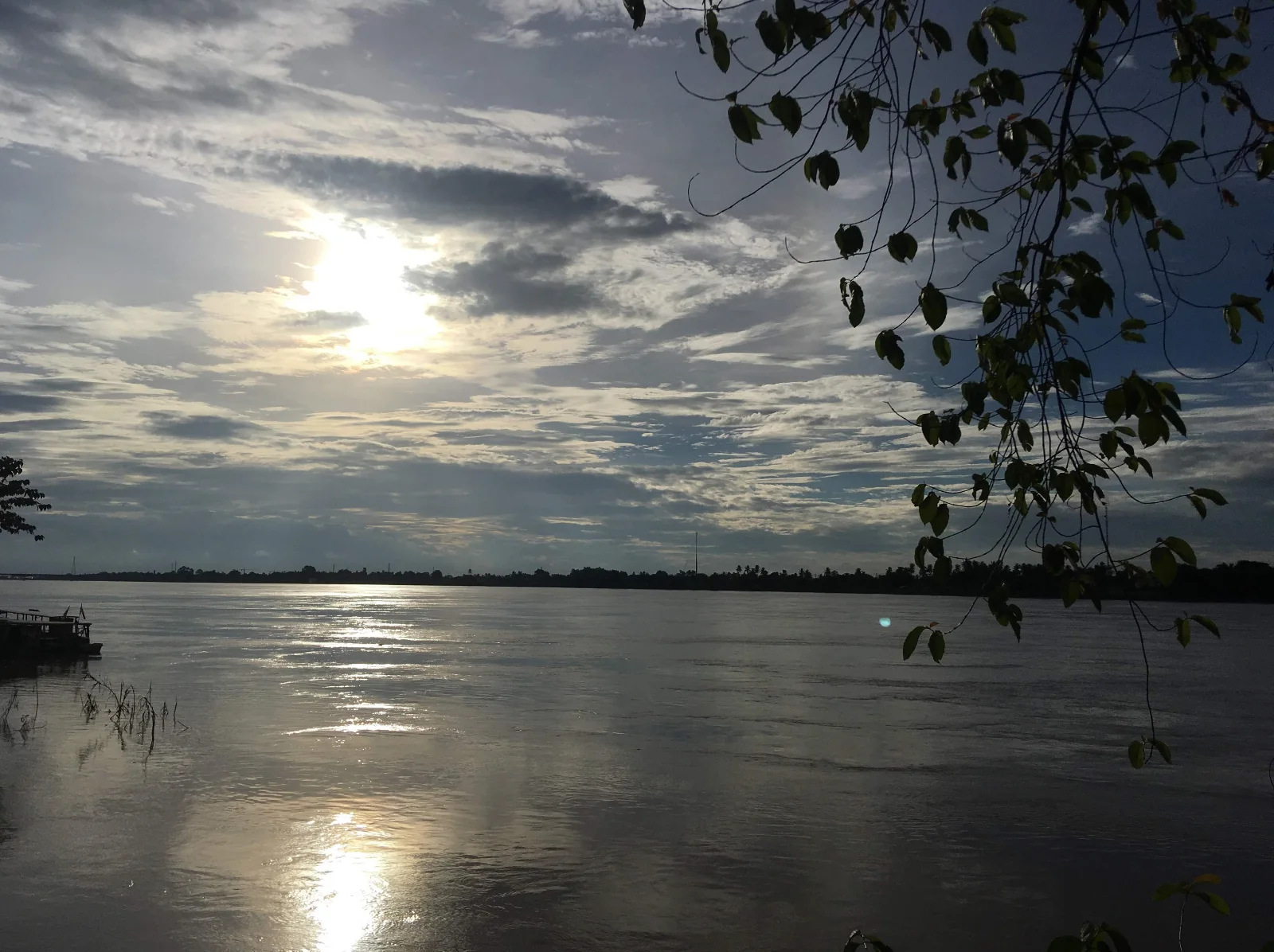
September and October
- September
Plan for heavy rain episodes or transport disruptions, especially if your route depends on boats or unpaved roads. A central Bangkok hotel or a road-connected coastal base makes changing plans simpler. In Phuket use Phuket Beaches Compared to select an area that still has things to do when swimming is unsuitable. - October
Expect a changeable transition. Wetter periods can continue on the Andaman while the lower Gulf enters a wetter stretch. In the North and Isaan, check flooding and park access after rain even if the trip dates are close to the cooler season. Keep outdoor and boat bookings flexible.
November and December
- November
Bangkok, the North and Isaan often become better candidates for longer outdoor days as the season shifts. Base near the places you want to walk. The Andaman can improve, while Samui and nearby islands can still see substantial rain. If visiting Chiang Mai around a major festival, check accommodation and flight changes early. - December
Consider northern cities, the Mekong or Bangkok for outdoor time and check cold mornings on higher ground. For a coastal holiday, compare the Andaman first if reliable boat time is important. Confirm Gulf sea and rain conditions directly before committing to a ferry-dependent stay.
Check conditions and choose a backup plan
1. Before booking, identify what weather would change the trip. If swimming, boat trips or views are essential, choose dates and accommodation with a workable alternative. Use the itinerary library to check how much time a coast switch would actually take.
2. Check forecasts, warnings and measured air quality. Use the Thai Meteorological Department’s current warnings for the province and sea area. In the North, use the Pollution Control Department’s Air4Thai readings and local advice. If air quality is poor for you, follow health advice and switch to indoor plans or a location with better measured conditions.
3. Recheck the actual activity the day before and on the day. Ask the park, ferry operator or tour provider whether it is going ahead and what the ticket allows if it cancels. Follow lifeguard flags and official closures. Keep an indoor or road-accessible option available on an island trip.
Worked example. You have ten days in July and one essential snorkelling trip. Compare a lower-Gulf base with Phuket and Krabi, then choose a route where the boat day can move to another date. If marine conditions cancel it, keep the next land-based activity and protect your final transfer. Do the same for an inland trip built around one hike by choosing two possible dates and an alternative in the city.
Go through the trip-length comparison before adding a region. A simpler route lets you wait for a better day without losing your next hotel or flight. Check the Thailand arrival checklist once you know which city you’re flying into.
Sources and review
Sources used for this guide
Sources are reviewed regularly so important changes can be reflected in the guide.
Which Thailand Itinerary Fits Your Trip?Thailand Navigator Last checked 17 Nov 2026
Phuket Beaches ComparedThailand Navigator Last checked 17 Nov 2026
Doi Inthanon National ParkThailand Navigator Last checked 17 Nov 2026
Nong KhaiThailand Navigator Last checked 17 Nov 2026
Koh SamuiThailand Navigator Last checked 17 Nov 2026
Community experiences
Reviews of Where to Go in Thailand by Month
Read first-hand experiences, then share your own.
Loading member reviews…
Reviews are temporarily unavailable. Please try again.
—
Ratings include stars without a written review.Rating distribution
No written reviews yet
Your experience could help the next visitor decide what to explore.
Be the first to share your experience
What stood out? What would you tell someone planning a visit? A short, honest review is enough.
Write a review