What you need to know
What has changed
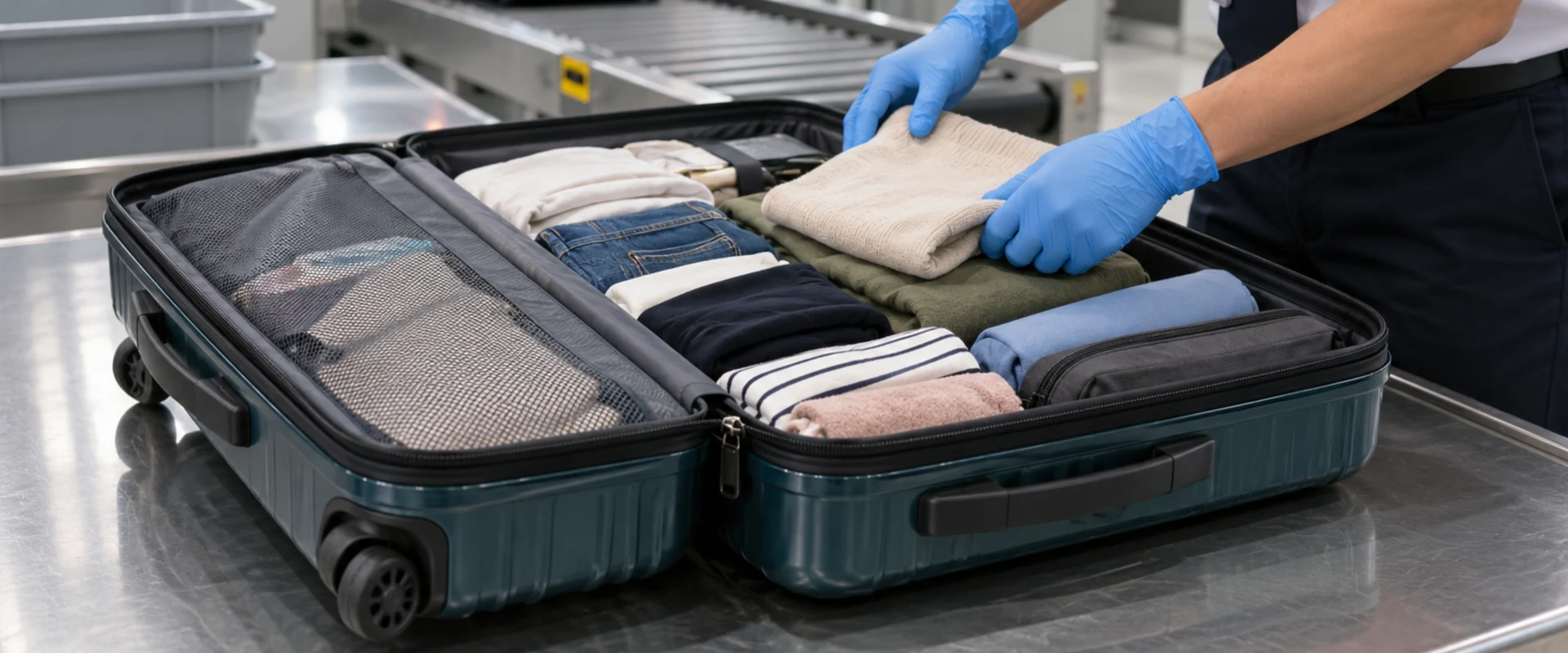
Thailand’s revised airport baggage inspection rules take effect today, allowing security officers to open checked suitcases without passengers being present when screening raises concerns about their contents.
The change means a bag flagged during security screening can be examined without staff first locating its owner. For travellers, that could mean discovering an inspection notice inside their suitcase after collecting it at their destination.
The Civil Aviation Authority of Thailand (CAAT) says the procedures are intended to strengthen aviation security and prevent baggage handling and flight delays. However, the regulator has stressed that the rules do not authorise routine opening of every passenger’s luggage. An inspection requires reasonable grounds to suspect prohibited, dangerous or otherwise restricted contents.
What triggers a baggage inspection?
The procedures apply to luggage checked into an aircraft’s hold. Security officers may open a bag when screening identifies a suspicious object or something that could pose a threat to aviation safety.
That distinction matters: the change removes the need for the passenger to attend an inspection when a security concern arises. It does not mean every suitcase will be manually searched.
CAAT announced the notification in February, giving airports, airlines and other agencies time to prepare staff, operating procedures and passenger information before the October implementation date.
Searches must be recorded
Official guidance published ahead of the change says inspections must take place in a designated area under controlled conditions. The process must be video recorded, with records retained for subsequent review.
Passengers must also be told afterwards if their luggage has been opened. Suvarnabhumi Airport’s guidance specifies that staff will place a Notice of Baggage Inspection inside the bag.
The recording and notification requirements provide a record of the search, even though the owner is absent while it takes place.
Why Thailand is changing the procedure
According to CAAT, locating a passenger to unlock a flagged suitcase can hold up baggage processing and disrupt flight operations. The revised approach allows security staff to resolve screening concerns without waiting for the owner to return.
The Tourism Authority of Thailand’s advisory says similar procedures operate in Singapore, Japan, South Korea and the United States, as well as parts of Europe and the Middle East.
What travellers should check before departure
Passengers are advised to review the baggage restrictions published by their airline and departure airport before travelling, paying particular attention to items that cannot go in the aircraft hold.
Suvarnabhumi Airport identifies power banks and spare lithium batteries as items that must not be packed in checked luggage. They must instead comply with the relevant cabin-baggage requirements, including capacity limits.
Authorities also recommend internationally recognised locks, such as TSA-compatible models, which authorised staff can open with specialist equipment. A different lock may have to be forced or cut if officers need access to the bag.
Valuables, fragile belongings, important documents and essential personal items should be kept out of checked luggage wherever possible.
What happens if there is a problem?
Travellers who experience an issue or damage arising from an inspection can contact their airline or submit a complaint through CAAT’s complaints service.
Passengers with connecting flights should also check the requirements at their transit and destination airports. Thailand’s procedures do not replace the separate baggage restrictions that may apply elsewhere along their journey.