What you need to know
What has changed
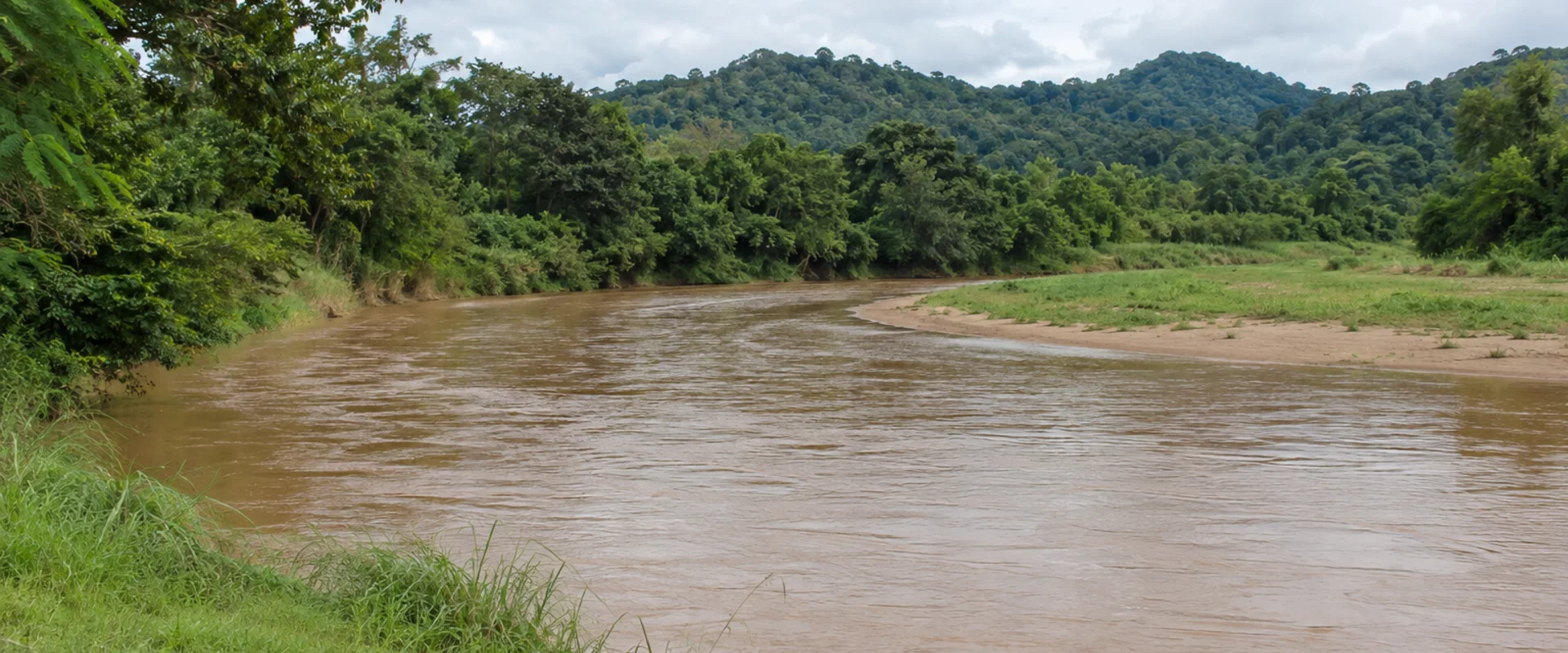
Thailand is preparing a proposed pollution-control area along about 150 kilometres of the Kok River, with a committee meeting planned for 27 November and National Environment Board consideration scheduled for 2 December 2026.
The proposal is part of the response to contamination concerns affecting northern waterways. It would coordinate agencies' work in Chiang Mai and Chiang Rai, rather than by itself establish that river water is safe to use.
Approval still has to happen
The Public Relations Department's 21 November account of the environment minister's response confirms the planned committee step and the need for subsequent board approval and Royal Gazette publication. Reports on 22 November set out the 2 December review date.
The zone is therefore a proposal. The review date should not be treated as an automatic commencement date or proof that every planned measure will already be operating.
What officials want to improve
The ministry's plans include water-testing laboratories in Chiang Mai and Chiang Rai and around 20 monitoring points. The official account says local testing is intended to shorten the wait associated with sending samples to Bangkok.
Agencies are also surveying alternative raw-water sources and developing community water supplies. These are different tasks from declaring a control zone: a policy decision does not immediately complete a laboratory, monitoring network or replacement supply.
Local information remains essential
For residents and businesses relying on river or community water supplies, follow the notices for the particular supply and locality. The proposed designation is not a blanket travel ban across either province, nor a general assurance about every river, food product or water source.
The ministry also lists a Thailand–Myanmar joint working-group meeting for 25–26 November in Bangkok. That discussion is another planned step in the response, separate from the domestic approval process.