
Province guide
Kalasin
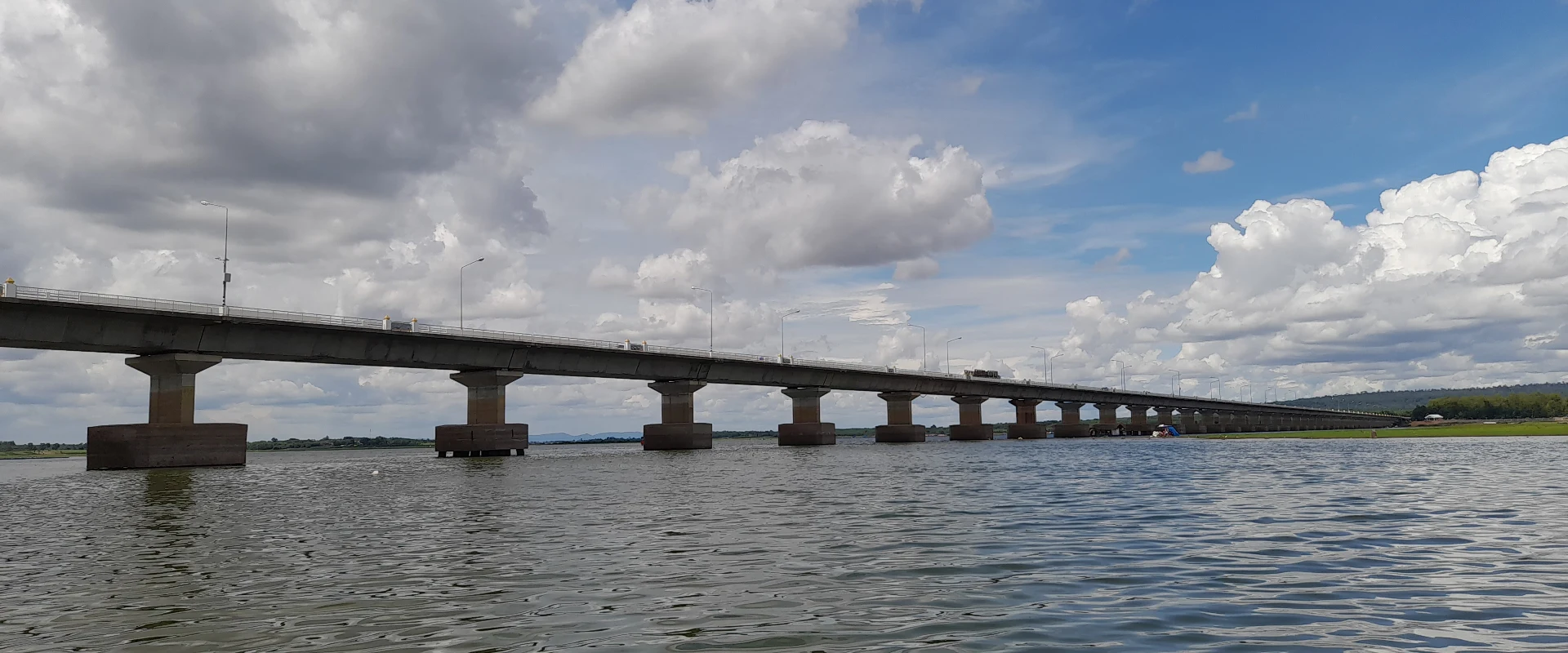
Kalasin is an Isan province of dinosaur discoveries, Dvaravati heritage, Lam Pao landscapes, Phu Thai culture and celebrated Praewa silk.
Official source · View sourceUnderstand the areas
Explore the areas within Kalasin and find a place for your visit or everyday life.
The interactive map loads as it comes into view.
Open full map →Don Chan DistrictDon Chan District is an administrative district (amphoe) in Kalasin Province, Thailand.Huai Mek DistrictHuai Mek District is an administrative district (amphoe) in Kalasin Province, Thailand.Huai Phueng DistrictHuai Phueng District is an administrative district (amphoe) in Kalasin Province, Thailand.Kamalasai DistrictKamalasai District is an administrative district (amphoe) in Kalasin Province, Thailand.Explore the geographic hierarchy →
Don Chan District →Huai Mek District →Huai Phueng District →Kamalasai District →Kham Muang District →Khao Wong District →Khong Chai District →Kuchinarai District →Mueang Kalasin District →Na Khu District →Na Mon District →Nong Kung Si District →Rong Kham District →Sahatsakhan District →Sam Chai District →Somdet District →Tha Khantho District →Yang Talat District →
Places by type




Explore Kalasin
Browse places by type and discover what to see and do in Kalasin.
History & culture
Explore Thailand’s rich history through ancient ruins, landmarks and monuments.
Explore places (0) →Religious sites
Visit Buddhist temples, shrines, churches and mosques across Thailand.
Explore places (0) →Nature & scenery
Discover beaches, islands, waterfalls, caves and breathtaking viewpoints.
Explore places (0) →Parks & outdoors
Explore national parks, trails, gardens and incredible wildlife.
Explore places (0) →Public spaces
Find vibrant squares, bridges and iconic public places.
Explore places (0) →Transport
Find airports, railway stations, bus and ferry terminals across Thailand.
Explore places (0) →Local categories
Things to do
Browse local businesses and services by type.
Local categories will appear as connected listings are published.
Browse every category in Kalasin →
Find a business or service in Kalasin
Search published businesses and services in this area.
Businesses in Kalasin
View more businesses →No connected businesses are published yet.
Living in Kalasin
Explore neighbourhoods, everyday services and practical information for a longer stay.
Choose an area to learn about living in Kalasin
Each area has its own character. Follow the local guides to learn more.
Don Chan District
Don Chan District is an administrative district (amphoe) in Kalasin Province, Thailand.
Huai Mek District
Huai Mek District is an administrative district (amphoe) in Kalasin Province, Thailand.
Huai Phueng District
Huai Phueng District is an administrative district (amphoe) in Kalasin Province, Thailand.
Kamalasai District
Kamalasai District is an administrative district (amphoe) in Kalasin Province, Thailand.
Compare selected areas
Everyday essentials
HealthcareHospitals, clinics and medical services.Explore →
Schools & familyEducation and everyday family life.Explore →
Shopping & marketsLocal shops, markets and essentials.Explore →
Getting aroundLocal transport, taxis and vehicle hire.Explore →
Working remotelyCoworking and professional services.Explore →
More ways to use Kalasin
Plan the practical details
Find transport options and useful information for visiting Kalasin.
Getting to Kalasin
Explore routes and transport connections. Check current schedules and availability before travelling.
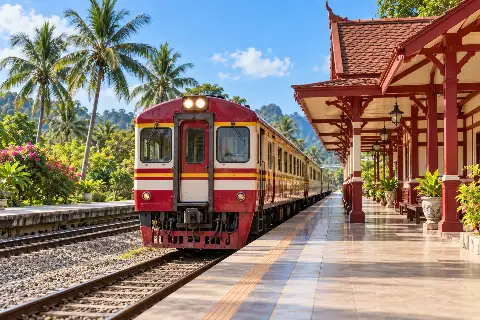


Getting around Kalasin
Find local transport services and practical guidance.

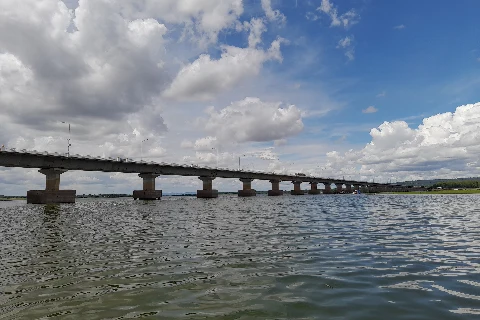
Essential travel information
Weather in Kalasin
November to February for generally cooler, drier conditions; expect stronger heat in March-April and seasonal rain from May to October.
Loading current conditions and forecast…
Nearby destinations
Explore more places and local guides.
Kalasin Subdistrict
Kalasin Subdistrict is an official tambon in Mueang Kalasin District, Kalasin, Thailand. · 2.9 km away
Lup Subdistrict
Lup Subdistrict is an official tambon in Mueang Kalasin District, Kalasin, Thailand. · 3.9 km away
Lamphan Subdistrict
Lamphan Subdistrict is an official tambon in Mueang Kalasin District, Kalasin, Thailand. · 5.4 km away
Na Di Subdistrict
Na Di Subdistrict is an official tambon in Yang Talat District, Kalasin, Thailand. · 7.1 km away
About Kalasin
Kalasin is a landlocked province in central Isan shaped by the Pao River system, the Lam Pao reservoir and the foothills of the Phu Phan range. It is best known for major dinosaur discoveries at Phu Kum Khao and the Sirindhorn Museum in Sahatsakhan District, but its appeal also includes the ancient settlement of Fa Daet Song Yang, Buddhist sites, reservoirs and a strong Phu Thai cultural identity. The pace is local and unhurried, making Kalasin particularly rewarding for travellers interested in palaeontology, archaeology, textiles and community traditions.
Plan the province as a road trip rather than a single-city break. Kalasin city is the practical base for markets and services; Sahatsakhan is the focus for the Sirindhorn Museum, excavation story and nearby Lam Pao scenery; Kamalasai links to Phrathat Yakhu and the Fa Daet Song Yang heritage area; Kham Muang is associated with Praewa silk; and Kuchinarai and Khao Wong offer Phu Thai cultural landscapes. Sites are spread across the province, so a private car or arranged driver gives much more flexibility than relying on infrequent local connections. Confirm museum, temple and community-visit arrangements before travelling.
Kalasin covers 6,946.75 square kilometres. At 31 December 2024 it was divided into 18 districts, 135 subdistricts and 1,584 villages. Its registered population was 962,444 in 2024; this is the province-wide civil-registration count reported by Thailand's National Statistical Office from Department of Provincial Administration data, not the population of Kalasin city. Praewa silk weaving, Phu Thai traditions and pong lang music are important parts of the province's cultural character; visitors should treat village activities as community encounters rather than staged attractions and ask before photographing people or ceremonies.
Road is the principal way to reach and explore Kalasin. Long-distance buses serve the province, while travellers using flights or operating rail services normally connect through neighbouring regional hubs and continue by road; check current schedules and transfer options for the intended date. November to February generally brings the coolest, driest and most comfortable conditions for outdoor touring. March and April are hotter, and the May-to-October wet season can bring heavy showers, greener scenery and occasional disruption on rural roads. Allow at least two days to combine the museum and archaeological circuit with a textile or cultural district, carry water and sun protection, dress respectfully for temples, and verify festival dates rather than assuming they are fixed annually.
- Sources
- View source
- Last reviewed
- 19 September 2026
- Content owner
- Thailand Navigator Editorial Team
- Page type
- Province guide