
Province guide
Nakhon Sawan
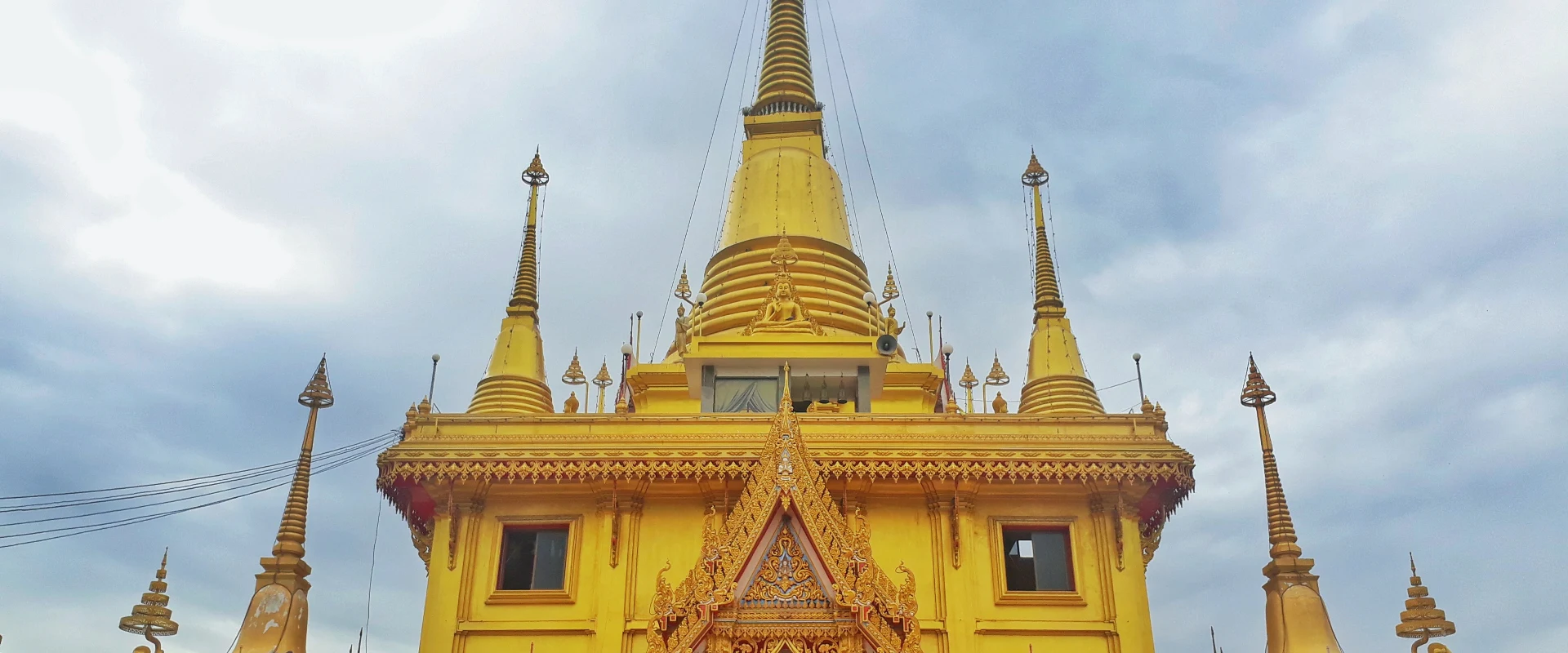
Nakhon Sawan is a river-confluence province and gateway between central and northern Thailand, known for Pak Nam Pho, Bueng Boraphet, Chinese New Year traditions and convenient rail access.
Official source · National Statistical Office of ThailandUnderstand the areas
Explore the areas within Nakhon Sawan and find a place for your visit or everyday life.
The interactive map loads as it comes into view.
Open full map →Banphot Phisai DistrictBanphot Phisai District is an administrative district (amphoe) in Nakhon Sawan Province, Thailand.Chum Saeng DistrictChum Saeng District is an administrative district (amphoe) in Nakhon Sawan Province, Thailand.Chum Ta Bong DistrictChum Ta Bong District is an administrative district (amphoe) in Nakhon Sawan Province, Thailand.Kao Liao DistrictKao Liao District is an administrative district (amphoe) in Nakhon Sawan Province, Thailand.Explore the geographic hierarchy →
Banphot Phisai District →Chum Saeng District →Chum Ta Bong District →Kao Liao District →Krok Phra District →Lat Yao District →Mae Pern District →Mae Wong District →Mueang Nakhon Sawan District →Nong Bua District →Phaisali District →Phayuha Hkiri District →Tak Fa District →Takhli District →Tha Tako District →
Places by type




Explore Nakhon Sawan
Browse places by type and discover what to see and do in Nakhon Sawan.
History & culture
Explore Thailand’s rich history through ancient ruins, landmarks and monuments.
Explore places (0) →Religious sites
Visit Buddhist temples, shrines, churches and mosques across Thailand.
Explore places (0) →Nature & scenery
Discover beaches, islands, waterfalls, caves and breathtaking viewpoints.
Explore places (0) →Parks & outdoors
Explore national parks, trails, gardens and incredible wildlife.
Explore places (0) →Public spaces
Find vibrant squares, bridges and iconic public places.
Explore places (0) →Transport
Find airports, railway stations, bus and ferry terminals across Thailand.
Explore places (0) →Local categories
Things to do
Browse local businesses and services by type.
Local categories will appear as connected listings are published.
Browse every category in Nakhon Sawan →
Find a business or service in Nakhon Sawan
Search published businesses and services in this area.
Businesses in Nakhon Sawan
View more businesses →No connected businesses are published yet.
Living in Nakhon Sawan
Explore neighbourhoods, everyday services and practical information for a longer stay.
Choose an area to learn about living in Nakhon Sawan
Each area has its own character. Follow the local guides to learn more.
Banphot Phisai District
Banphot Phisai District is an administrative district (amphoe) in Nakhon Sawan Province, Thailand.
Chum Saeng District
Chum Saeng District is an administrative district (amphoe) in Nakhon Sawan Province, Thailand.
Chum Ta Bong District
Chum Ta Bong District is an administrative district (amphoe) in Nakhon Sawan Province, Thailand.
Kao Liao District
Kao Liao District is an administrative district (amphoe) in Nakhon Sawan Province, Thailand.
Compare selected areas
Everyday essentials
HealthcareHospitals, clinics and medical services.Explore →
Schools & familyEducation and everyday family life.Explore →
Shopping & marketsLocal shops, markets and essentials.Explore →
Getting aroundLocal transport, taxis and vehicle hire.Explore →
Working remotelyCoworking and professional services.Explore →
More ways to use Nakhon Sawan
Plan the practical details
Find transport options and useful information for visiting Nakhon Sawan.
Getting to Nakhon Sawan
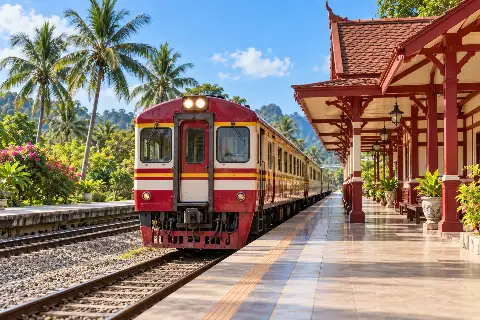
Explore routes and transport connections. Check current schedules and availability before travelling.


Getting around Nakhon Sawan
Find local transport services and practical guidance.

Essential travel information
Weather in Nakhon Sawan
November to February is generally cooler and drier; verify current weather, railway schedules and attraction notices before travelling.
Loading current conditions and forecast…
Nearby destinations
Explore more places and local guides.
Nakhon Sawan Ok Subdistrict
Nakhon Sawan Ok Subdistrict is an official tambon in Mueang Nakhon Sawan District, Nakhon Sawan, Thailand. · 3.1 km away
Pak Nam Pho Subdistrict
Pak Nam Pho Subdistrict is an official tambon in Mueang Nakhon Sawan District, Nakhon Sawan, Thailand. · 3.1 km away
Khwae Yai Subdistrict
Khwae Yai Subdistrict is an official tambon in Mueang Nakhon Sawan District, Nakhon Sawan, Thailand. · 3.9 km away
Nong Pling Subdistrict
Nong Pling Subdistrict is an official tambon in Mueang Nakhon Sawan District, Nakhon Sawan, Thailand. · 5.1 km away
About Nakhon Sawan
Nakhon Sawan is a major gateway between central and northern Thailand. At Pak Nam Pho in the provincial capital, the Ping and Nan rivers meet to form the Chao Phraya; Pasan, on the confluence, interprets this river identity in contemporary architecture. The province combines an active regional city with broad lowlands, wetlands and western uplands, so it works both as a practical stop on a northbound journey and as a destination in its own right.
Plan the province by area. Mueang Nakhon Sawan is the best base for Pak Nam Pho, Pasan, Wat Khiriwong, city services and the Chinese New Year dragon and lion processions, whose dates follow the lunar calendar. Bueng Boraphet, east of the city, is the principal nature experience, with wetland scenery, birdlife, boat outings and an aquarium highlighted by the Tourism Authority of Thailand. Other province-wide options include Chansen Ancient City, Khao Nor–Khao Kaew and Wat Sri Uthumphon; confirm current opening arrangements and local transport before travelling.
Nakhon Sawan covers 9,597.68 square kilometres. At 31 December 2024 it had 15 districts, 130 subdistricts and 1,434 villages. Its registered population was 1,014,401 in 2024; this is the province-wide civil-registration count, not the population of Nakhon Sawan city and not a visitor estimate. State Railway of Thailand Northern Line services call at Nakhon Sawan and other stations in the province, while highways connect the province with Bangkok and the north. Attractions beyond the urban area are spread out, so road transport and realistic transfer time are important.
November to February generally offers cooler, drier conditions for city walks, wetland visits and outdoor stops. March to mid-May is typically hot, and the rainy season in upper Thailand usually runs from around mid-May to mid-October, with timing varying by year. Carry sun and rain protection, use respectful dress at temples, take binoculars rather than disturbing wildlife at Bueng Boraphet, and check current railway times, weather alerts and attraction notices before departure.
- Last reviewed
- 20 September 2026
- Content owner
- Thailand Navigator Editorial Lead
- Page type
- Province guide