
ThailandNavigator
Thailand Guide

Emergency Help in Thailand — Who to Call and What to Do First

Who to call in a Thailand emergency, what to say, hospital options, island transfers, insurance, language support and consular help.

Reading time
9 min read
Reviewed
Reviewed
Editorial owner
Thailand Navigator Editorial Team
Context
Thailand
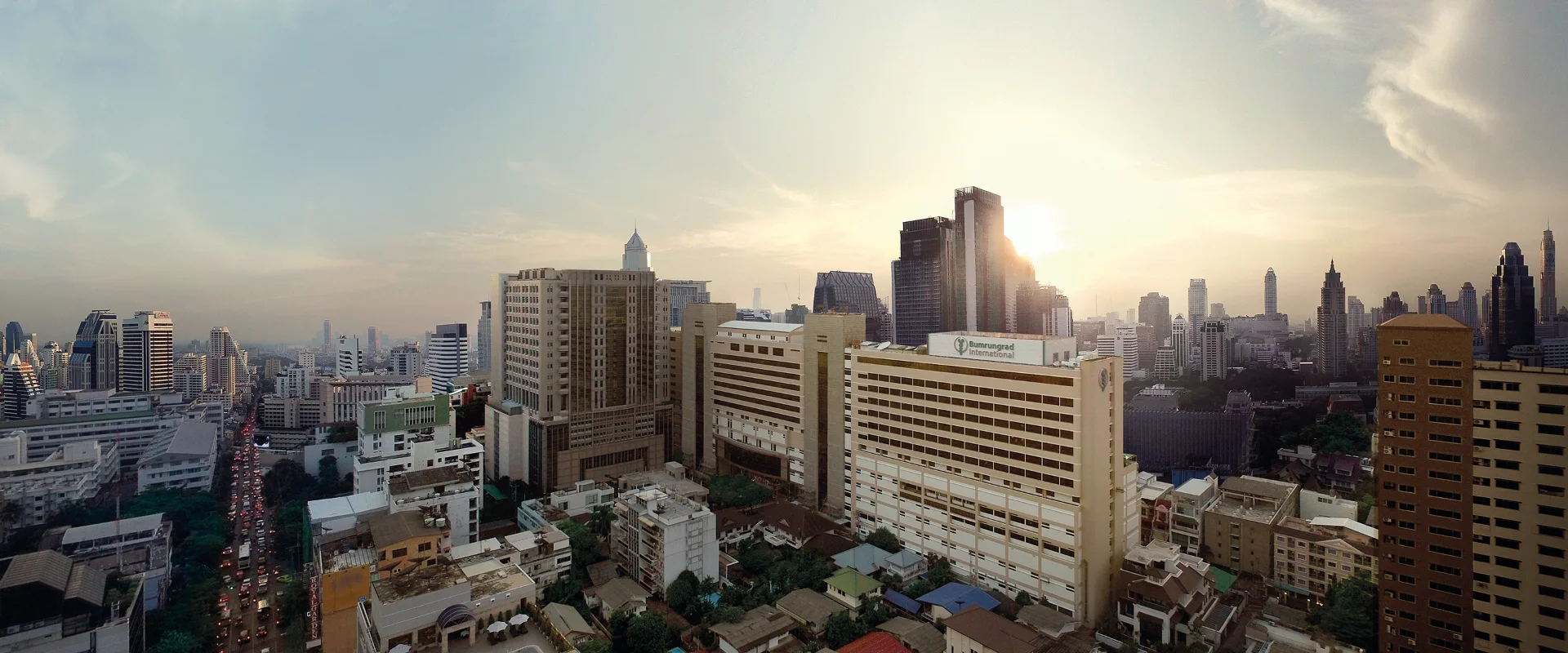
Bumrungrad International Hospital buildings in Bangkok
Bumrungrad International Hospital in Bangkok. In an emergency, seek a suitable receiving facility through the emergency service.
In immediate danger, call the relevant emergency service. Follow the dispatcher and treating professionals. This guide provides practical preparation and service information.
Quick answer

Call first and give your exact location

Use the appropriate emergency number, explain the location and follow the operator. Ask a companion to handle insurance and documents.

1669 Medical emergency
191 / 199 Police / fire
1155 Multilingual Tourist Police assistance

Find the help you need

Start with the urgent step, then use the detailed information for follow-up and preparation.

If someone is seriously ill, injured or in immediate danger, call the appropriate emergency service before comparing hospitals or looking for an insurance approval. Give your location first. Stay available for a callback and follow the operator's instructions.

1

Choose the right number

1

Medical emergency — 1669

Call Thailand's emergency medical service for a serious injury or sudden severe illness. Tell the operator whether the person is conscious and breathing normally, how many people need help and exactly where you are. Ask someone nearby to help communicate in Thai if necessary.

2

Police and immediate danger — 191

Use 191 for urgent police assistance, including an active threat. Move to safety if you can. Describe what is happening and any immediate danger to other people. Avoid confronting someone or returning to a dangerous place to retrieve belongings.

3

Fire — 199

Call 199 for a fire. Leave the affected building using a safe escape route and follow staff or emergency-service directions. Give the building name, address, floor and any information about people who may be trapped. Do not re-enter to collect a passport.

4

Tourist assistance — 1155

The Tourist Police hotline operates around the clock with multilingual assistance. Use it when you need help communicating, reporting a tourist-related incident or finding the appropriate police service. For a medical crisis, contact 1669 immediately and ask another person to seek language support if needed.

2

Make the call and give a usable location

Emergency services need a location that a team can reach. A beach name, island name or hotel chain alone may be insufficient. Open your accommodation confirmation or map pin and read the exact property name, road, district and nearest entrance. Hotels with similar names and hospitals with multiple branches make this especially important in Bangkok, Pattaya and Koh Samui.

  • Say the location first, including a recognisable landmark and which entrance or side of the road to use.
  • Give your callback number. Tell the operator if you are borrowing a phone or about to lose battery power.
  • Describe what happened, the person's approximate age and the number of people needing help.
  • State whether the person responds and whether breathing appears normal. Describe severe bleeding or another obvious danger.
  • Explain access problems such as a locked gate, upstairs room, narrow lane, cliff path, boat landing or flooded road.
  • Stay on the call until told otherwise. If safe, send a second person to meet the responders at the entrance.

A practical call might be, “Medical emergency at [hotel name], [road], [district], room [number]. One adult has collapsed and is not responding. My callback number is [number]. Someone will meet you in the lobby.” Replace the brackets with actual details. This is a communication example, rather than a script you must finish before answering the operator.
3

While help is coming

Check that the scene is safe before approaching. Traffic, electrical cables, fire, deep water and an aggressive person can endanger a helper. Put the phone on speaker if practical and follow the dispatcher. Explain immediately if the person deteriorates or your location changes.

If someone is unresponsive and is not breathing normally, or is only gasping, tell the operator immediately. Ask for CPR instructions and send another person for an AED if one is available. Use the AED's spoken prompts. For major bleeding, follow the dispatcher's first-aid directions. Avoid moving someone with a possible serious injury unless there is an immediate danger or a responder directs you.

Do not give food, drink or tablets to an unconscious person. Do not attempt an unfamiliar treatment because someone online recommends it. Bring the person's medication list, allergies and relevant medical information if these are readily available. Finding documents should not postpone the emergency call.

For a stable problem that is not an emergency, ask a suitable hospital or clinic about an appropriate appointment. Choosing a hospital in Thailand explains the differences between facilities. Use Thailand safety guidance when preparing for activities and journeys.

4

Language, phone and internet problems

Ask a hotel receptionist, shopkeeper, security guard or another bystander to help call and explain your location. Keep one person with the patient when possible. If using a foreign SIM or an internet-only travel eSIM and the short code does not connect, borrow a local phone or ask staff to call. Do not assume a data package includes ordinary voice calls.

The official Thailand Tourist Police application provides an additional assistance channel and can be used by visitors without a Thai SIM. Download it from the Tourist Police's verified channels before a problem occurs. It is useful for communication, but a failed app request or weak connection means you should seek another way to call urgently.

Keep the accommodation address in Thai, a map screenshot, a saved emergency contact and your insurer's international assistance number offline. A phone photograph of your passport identity page and current entry stamp helps establish details if the original is elsewhere. Keep copies protected and avoid sending them to strangers offering help.

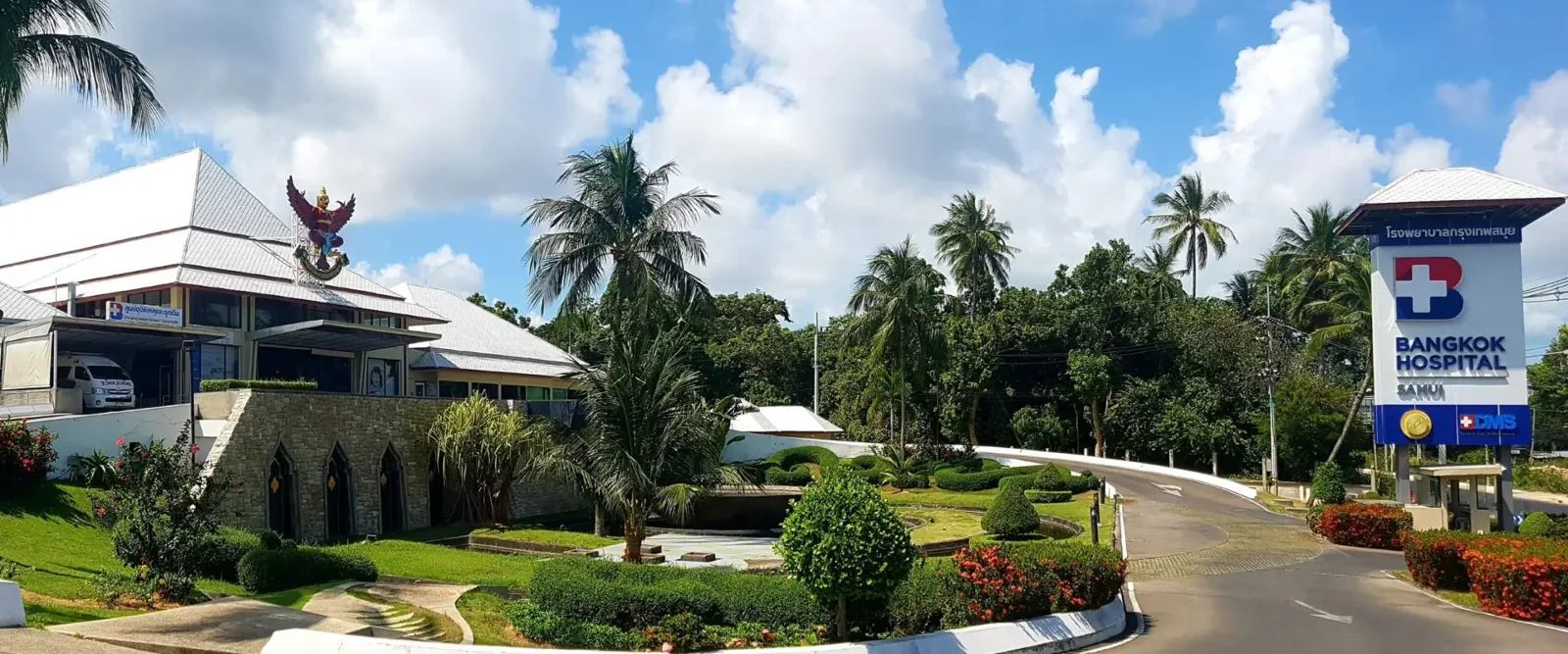
Signed entrance and driveway at Bangkok Hospital Samui
Bangkok Hospital Samui. Check the exact island, hospital branch and entrance when arranging care.
5

Hospital options by location

The following TN listings are useful places to check when planning or seeking follow-up care. They are examples, rather than a nationwide emergency dispatch network or a ranking. In an immediate crisis, let the emergency team assess an appropriate receiving facility. A famous hospital across the city may be less suitable than a reachable emergency department.

3

Koh Samui and smaller islands

Bangkok Hospital Samui publishes a 24-hour emergency department and local contact +66 77 429 500. Koh Tao Hospital and Koh Lanta Hospital are distinct local facilities on different islands. Their presence does not establish that every serious condition can be treated locally. Ask the treating team about referral requirements and transfer arrangements.

6

Ambulances, transfers and travel times

Call 1669 for a medical emergency and let the dispatcher assess the response. Hospital-operated ambulance services have their own contacts and arrangements. A hospital's number is not a replacement for the national emergency line everywhere in Thailand. Explain your location and follow the receiving team's directions.

A private car or ride-hailing vehicle cannot provide the equipment or care of an emergency ambulance. Do not ask someone with chest pain, a serious injury or another potentially life-threatening problem to drive themselves. If a transfer is required, ask who is arranging it, which hospital has accepted the patient, what clinical support is needed and whether transport costs require separate insurance authorisation.

On islands, evacuation depends on the patient's condition, local services, weather and safe transport. A scheduled ferry timetable does not guarantee an emergency transfer. Helicopter or air-ambulance access cannot be assumed. Ask the treating team and insurer to coordinate a safe plan. Keep a companion's onward travel separate from the clinical decision.

7

Payment, insurance and documents

Visitors should expect charges for hospital care. Both public and private facilities charge, and a private hospital may request a deposit or payment guarantee. Do not assume that emergency status, calling 1669 or showing an insurance card makes all treatment free. UK GHIC cards do not provide cover in Thailand. Your own nationality's arrangements and insurance need separate checking.

Ask a companion to contact the insurer's emergency assistance team as soon as practical. Give the hospital name, patient details, policy number and a reliable callback number. Ask whether the hospital is in network, whether direct billing is possible and what costs need approval. A hospital agreeing to contact an insurer is different from an insurer accepting the claim.

  • Bring identification or a secure copy, current medication details, allergy information and an emergency contact.
  • Ask for an itemised estimate when the situation allows, including likely tests, procedures, room charges and deposit requirements.
  • Keep itemised bills, receipts, medical reports, prescriptions and insurer case numbers.
  • Ask who will coordinate a referral, translation, discharge paperwork and any fit-to-fly assessment.
  • If hospitalisation may cross your permitted-stay expiry, ask the hospital and the responsible immigration office about the appropriate documentation promptly.

If you cannot pay, explain this early and ask the hospital, insurer and your own consular service about practical options. Do not promise a payment you cannot make or leave without discussing the discharge and billing arrangements.

8

Crime, lost documents and consular help

For immediate danger use 191. Tourist Police on 1155 can assist with communication and identifying the appropriate local reporting service. When safe, record the time and location, preserve messages and payment records and ask for the report reference. Do not confront a suspect, publicise accusations without evidence or pay a stranger who promises to recover stolen property.

Contact your own country's official embassy or consulate if you need consular assistance. Passport replacement, emergency travel documents and reporting procedures depend on nationality. An honorary consulate may have limited services. Verify the office and any appointment requirement before travelling across town.

Consular support has limits. For example, the British embassy can help with appropriate contacts and liaison but does not pay ordinary medical bills or provide medical treatment. Ask your own mission what help is available in your circumstances. Your insurer remains the relevant contact for policy cover and claim authorisation.

9

Save this before you need it

  • Save 1669 for medical emergencies, 191 for police, 199 for fire and 1155 for Tourist Police.
  • Save your exact accommodation address in Thai and English, including its map pin and entrance details.
  • Keep your insurer's 24-hour international assistance number and policy details offline.
  • Identify a suitable nearby hospital and check its emergency entrance rather than only its outpatient reception.
  • Share your itinerary and emergency contact arrangements with someone you trust.
  • Keep essential medicine information and secure passport and entry-stamp copies accessible.

Details were checked on 19 November 2026 against Thai government, emergency-service, hospital and consular information. Phone accessibility, facilities and clinical decisions depend on the situation. Follow the emergency dispatcher and treating professionals.

Sources and review

Sources used for this guide

Sources are reviewed regularly so important changes can be reflected in the guide.

Suggest content

Help us improve Thailand Navigator.
What would you like to do?

Current location: Thailand

Your account, current page and submission date are recorded automatically.

Community experiences

Reviews of Emergency Help in Thailand — Who to Call and What to Do First

Read first-hand experiences, then share your own.

Write a review
Loading member reviews…
Reviews reflect members’ own experiences.

Want to write a review?

Closing this prompt will not remove your rating.

Choose language

Select the language used across Thailand Navigator.

You can change this any time from the language menu.