
Relocation guide
Move to Thailand with a clear plan
Plan your visa, budget, healthcare, housing and first weeks in Thailand — in the right order.
Start planningAllow several months where possible
First decisionChoose the right visa route
Budget forSetup costs and monthly living
Do not assumeRules vary by visa and circumstances
Your moving plan, step by step
Follow these steps to move to Thailand with confidence.
Choose your visa path
Match your purpose of stay to a current visa route and confirm eligibility with an official Thai source.
Compare places to live
Assess housing, healthcare, transport, climate, work or school needs before choosing a base.
Build your budget
Include visa and travel costs, deposits, insurance, shipping, transport and a contingency fund.
Plan health cover
Understand how you will pay for care and arrange insurance suited to your visa, health and location.
Arrange housing
Use flexible accommodation first if needed, inspect the property and understand the contract before paying.
Prepare your arrival
Track immigration deadlines and organise communications, money, transport and healthcare for your first weeks.
What you need to organise
Research these connected topics before making irreversible bookings, payments or commitments.
Visas
Compare Thailand visa routes by purpose, eligibility and stay conditions, then confirm the current requirements with the Thai authority handling your application or stay.
Learn moreCost of Living
Build a realistic Thailand budget around housing, food, transport, utilities, healthcare and the way you actually plan to live.
Learn moreHealthcare
Plan healthcare in Thailand: compare care settings, understand payment and coverage, prepare for treatment and know how to call emergency medical services.
Learn moreProperty
Compare renting and buying in Thailand, including foreign ownership limits, condominium checks, leases and Land Office due diligence.
Learn moreBanking
A practical overview of opening and using a Thai bank account, mobile payments, PromptPay, fees, international transfers and deposit protection.
Learn moreDriving
Driving licences, road rules, car ownership and transport rules in Thailand.
Learn moreCompare places to live
Explore popular destinations and compare housing, transport, healthcare, pace of life and practical access.
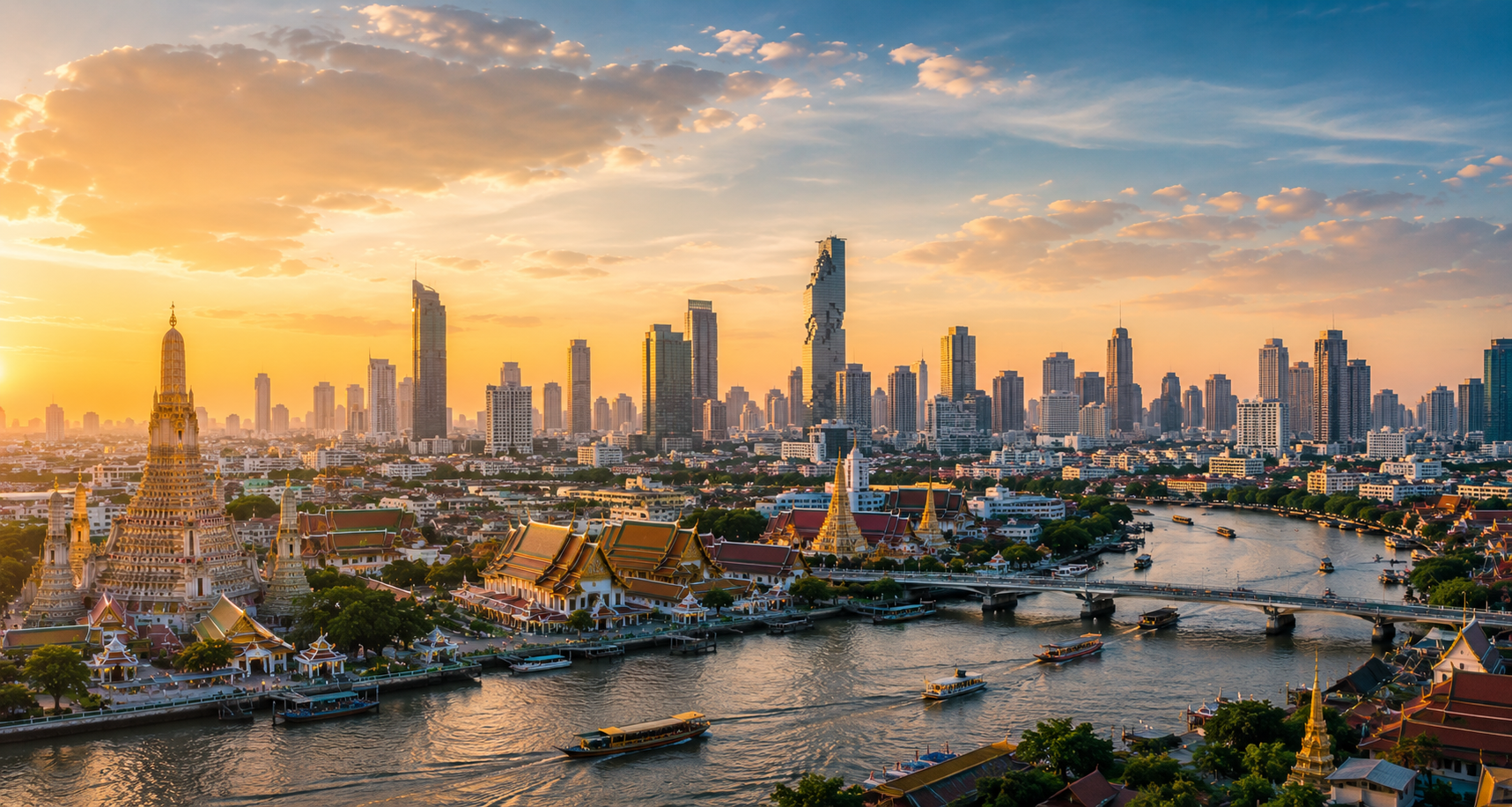 BangkokThailand's capital is a vast riverside metropolis of historic quarters, commercial centres and residential districts. Compare Bangkok's 50 districts, understand the transport network and choose the right area for a visit, an extended stay or everyday life.
  Chiang MaiChiang Mai is northern Thailand's largest province by area, combining the historic Lanna city of Chiang Mai with mountain districts, national parks, craft communities and rural valleys across 25 districts.
  Phuket IslandThailand's largest island, combining west-coast beaches, Phuket Old Town, southern viewpoints and convenient air and road access.
 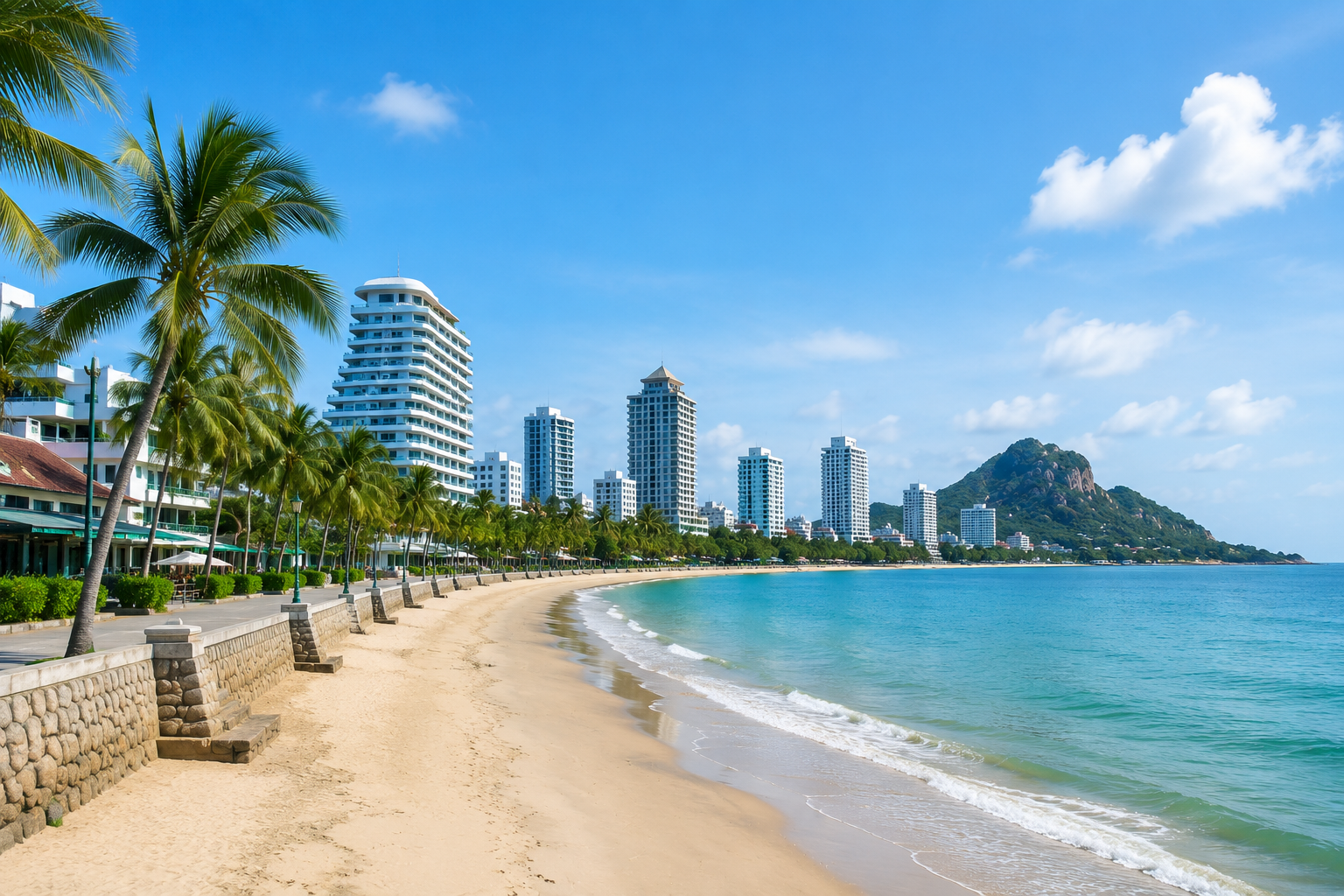 Hua HinHua Hin is a Gulf of Thailand resort city in Prachuap Khiri Khan, known for its long beach, seafood, night markets, golf and road and rail access from Bangkok.
 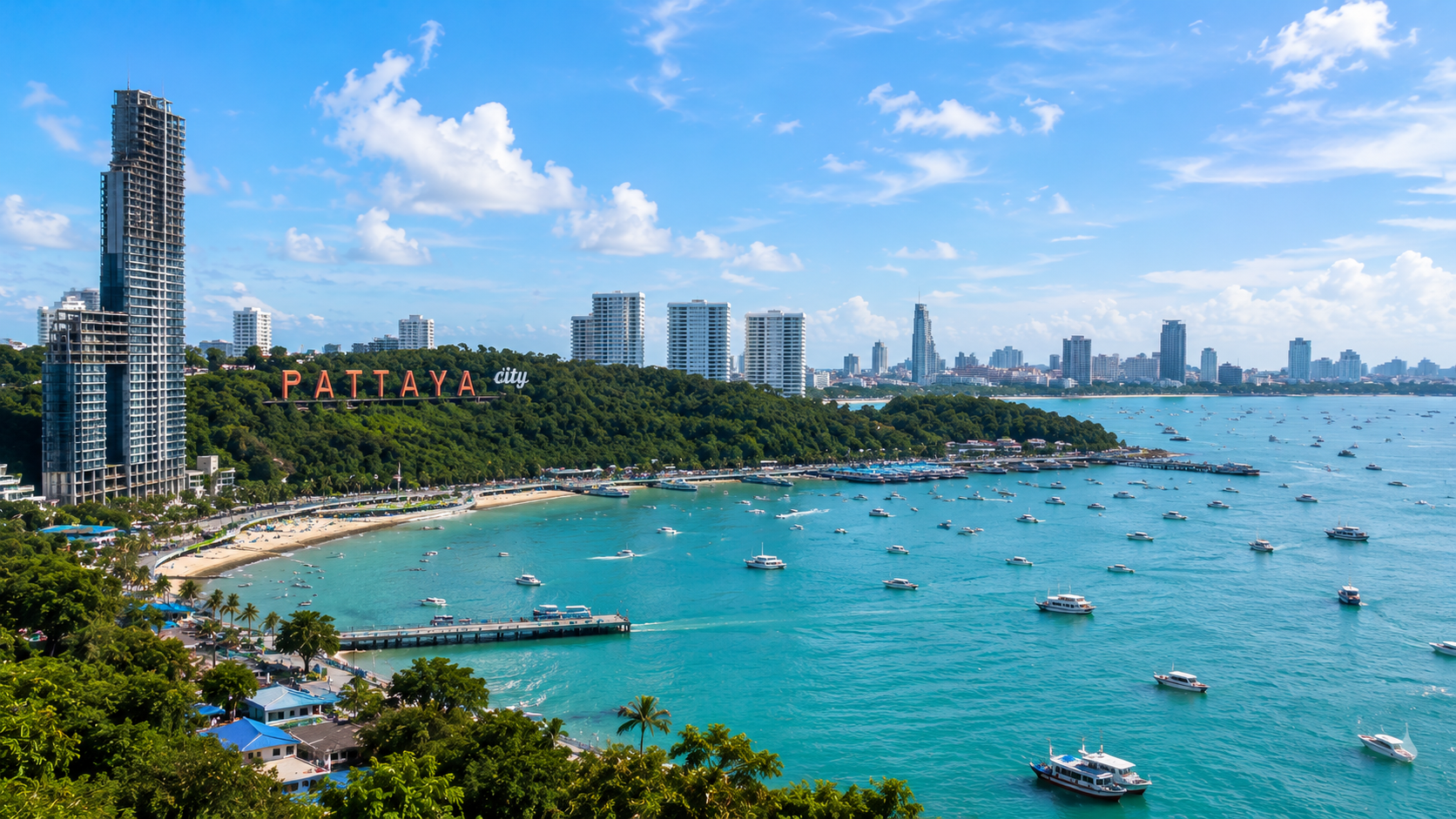 PattayaPattaya is a Gulf of Thailand resort city in Chon Buri, combining an urban beachfront, dining and nightlife with water activities and day trips to Ko Lan.
 Your preparation checklist
- Confirm your visa route, passport validity and supporting documents
- Estimate one-off setup costs and a realistic monthly budget
- Arrange suitable health insurance and medication documentation
- Research locations and book flexible first accommodation
- Prepare secure copies of essential personal and financial documents
- Check Thai Customs rules before shipping household goods
After you arrive
- Check your permission-to-stay stamp and record every deadline
- Ensure any required address notification has been completed
- Arrange a local phone connection and reliable internet
- Ask banks what accounts and documents are available for your status
- Identify appropriate healthcare providers and emergency options
- Choose legal transport and driving arrangements
- Check whether Thai tax-residence or filing rules may apply
Helpful relocation resources
Use detailed guides and relevant service categories to investigate each part of the move.
Guide
Long-Stay Visa Options for Thailand
Compare the purpose, trade-offs and official checks across Thailand long-stay routes.
View resourceGuide
Health Insurance in Thailand
Choose Thailand health or travel insurance by medical risk, exclusions and claims process.
View resourceCategory
Visa Services
Business visa, work permit and immigration support providers.
View resourceCategory
Shipping
Shipping, freight, courier and logistics services operating in or serving Thailand.
View resourceFrequently asked questions
How early should I start planning a move to Thailand?
Starting several months ahead is often sensible because visa evidence, document certification, insurance, housing research and shipping can take time. Begin with the visa route and any fixed work, family or school dates, then work backwards.
Which Thai visa should I use?
It depends on your nationality, purpose of stay, age, family links, work plans and finances. Compare the current visa categories published by the Thailand Department of Consular Affairs and confirm the requirements for the embassy or official e-Visa channel handling your application.
Should I rent a home before I arrive?
Flexible short-term accommodation can reduce risk while you inspect neighbourhoods and properties in person. Before paying a deposit, confirm the property, landlord or agent, included costs, deposit terms, inventory, notice period and any restrictions in a written agreement.
How should I plan healthcare and insurance?
Do not assume a visa automatically provides healthcare cover. Decide how routine, emergency and ongoing treatment will be paid for, check exclusions and waiting periods, and make sure the policy and available providers suit your health needs and intended location.
How much money should I budget for moving to Thailand?
Separate one-off costs from monthly spending. One-off costs may include applications, flights, temporary accommodation, deposits, insurance, shipping and setup purchases. Monthly costs vary most with location, housing, household size, schooling, transport and lifestyle.
What immigration tasks may apply after arrival?
Check the permission-to-stay date placed in your passport and the conditions attached to your status. Address notification and periodic reporting can apply in some situations, and a 90-day notification is not the same as extending permission to stay. Confirm current requirements with Immigration Bureau.
Could I become a Thai tax resident?
The Thailand Revenue Department states that a person staying in Thailand for 180 days or more in a calendar year is considered resident for Thai personal income-tax purposes. Tax treatment depends on income and circumstances, so review current Revenue Department guidance and seek qualified advice where needed.
Can I ship household belongings duty-free?
Thai Customs publishes conditional relief for some used household effects when changing residence. Eligibility, timing, quantity and documentary rules apply, and restricted goods may need permission. Check with Thai Customs before booking or dispatching a shipment.
Information you can verify
We use official sources and keep this information up to date.
Ready to plan your move?
Work through the steps in order, keep evidence and deadlines together, and verify current rules before you commit.