
ThailandNavigator
Thailand Guide

Bringing Prescription Medicines into Thailand

Check Thai FDA medicine categories, 30-day and 90-day limits, controlled-drug permits, medical documents, customs declarations, transit rules and continuity of care.

Reading time
7 min read
Reviewed
Reviewed
Editorial owner
Thailand Navigator Editorial Team
Context
Thailand
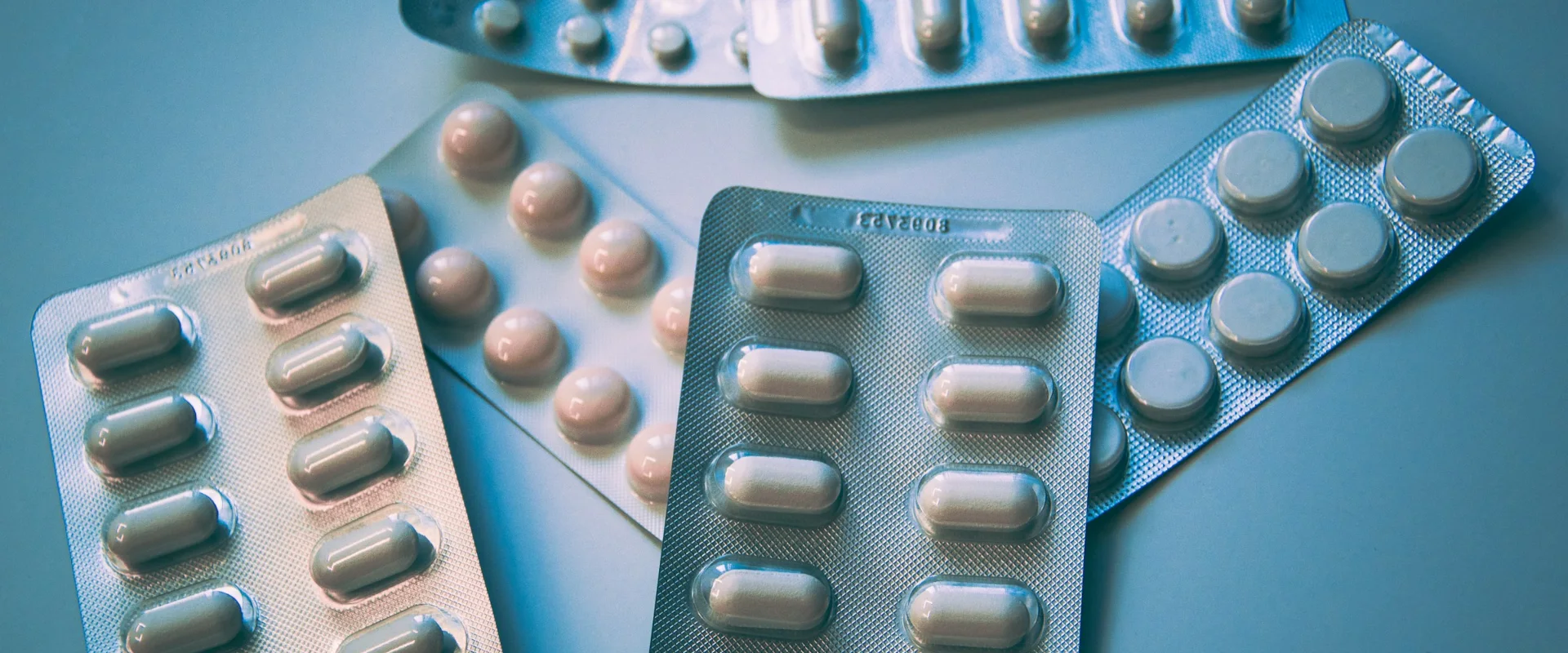
Tablets and capsules sealed in foil blister packs
Check every active ingredient and keep medicine in its original labelled packaging with the required documents.
Check every active ingredient with the Thai FDA and your prescriber. A home prescription does not by itself authorise import. Do not change treatment without medical advice.
Quick answer

Check the ingredient before choosing the paperwork

Ordinary medicines, controlled psychotropics and narcotic medicines have different limits and permit requirements. Use the current FDA checker and obtain any approval before travel.

Active ingredient Check every component of each medicine
15 days ahead Published controlled-permit lead time
Original packaging Keep the prescription and any permit

Find the help you need

Choose your situation and follow the relevant steps.

Check every medicine by its active ingredient before travelling. A prescription from home does not automatically permit import into Thailand. The Thai FDA applies different rules to ordinary medicines, controlled psychotropic substances and narcotic medicines. Some substances cannot be brought through the traveller route at all.

1

Check your medicine category first

1

Ordinary medicines

The Thai FDA's general guidance allows a personal-use supply of ordinary modern medicines for up to 30 days, in the original container with the doctor's prescription. Check that none of the ingredients is controlled. Do not apply the controlled-medicine 90-day limit to every prescription.

2

Narcotic medicines in permitted schedules

The FDA's traveller guidance describes Schedule II and III narcotic medicines for personal treatment, up to 90 days as prescribed, with a prior permit. Apply at least 15 days before arrival and follow the approval's exact conditions.

3

Controlled psychotropic medicines

For Schedule II, III and IV psychotropics, up to 30 days as prescribed requires the appropriate doctor's certificate or prescription. A 31-to-90-day supply requires a prior FDA permit. Confirm the ingredient and schedule using the current official checker.

4

Prohibited or uncertain ingredients

Do not pack a substance outside the permitted traveller categories or one whose status you cannot establish. Ask the FDA and your prescriber for a lawful plan. Do not stop or change treatment without medical advice.

2

Make an ingredient list and use the official checker

Read the generic or active ingredient, strength, formulation, prescribed daily dose and total quantity on every package. Combination products can contain more than one active ingredient. A brand familiar at home may have a different formulation elsewhere.

Use “Check the Drug” on the Thai FDA traveller portal, linked in this guide's official sources. Search the active ingredient and check every component. Save the result and any written clarification. The portal currently provides a psychotropic-substance list updated on 18 September 2026 and a narcotics list dated 15 September 2025.

Pay particular attention to pain medicines, sleeping or anxiety medicines, ADHD treatments and combination cough or cold products. The treatment's purpose does not establish its legal category. Ask the FDA about an unclear result instead of inferring permission from an online discussion or a pharmacy advertising a similar product.

3

Match quantity and paperwork to the category

Category in the current FDA guidancePersonal supply and paperwork
Ordinary non-controlled modern medicineUp to 30 days, original container and prescription. Ask the FDA about any larger supply.
Narcotic Schedule II or IIIUp to 90 days as prescribed, prior FDA permit required.
Psychotropic Schedule II, III or IV, up to 30 daysDoctor's certificate or prescription with the required medical details.
Psychotropic Schedule II, III or IV, 31–90 daysPrior FDA permit required.
Other prohibited controlled categoriesNo permission under these traveller exceptions. Seek a lawful treatment plan before travel.

These are quantities for the prescribed use. Keep the total and the prescription consistent. Do not divide a supply between bags or companions to evade a limit. Do not sell or supply your medicines to another person.

If your stay is longer than the ordinary allowance, plan continuity of care before departure. Ask the FDA which import arrangement, if any, is lawful and ask a suitable Thai hospital whether an appropriate consultation and local treatment are available. Do not assume an imported brand or controlled medicine can be dispensed locally.

4

Prepare the medical documents

The FDA's controlled-medicine guidance asks for a signed document from the treating physician. Its September 2026 application manual specifies that the medical prescription or document should have been issued no more than six months before travel. Ask your prescriber to include the information the current application requires.

  • Your name and address, matching the traveller and passport record.
  • The diagnosed medical condition and reason for the prescription.
  • Medication names, including active ingredients, strengths and instructions.
  • The prescribed dose and total quantity.
  • The prescribing physician's name, address, signature and licence number.
  • A passport copy and the exact arrival date and port where required for the application.

Ask about language requirements and keep the original document with you. Carry secure copies separately. If a medicine needs refrigeration, an injection device or other equipment, discuss safe transport with your clinician and the airline. Do not improvise changes to storage or dosing to simplify the journey.

5

Apply for the permit early enough

Use the official FDA traveller portal's carry-in application. The online application is identified as IC-1 in the September 2026 manual, while IC-2 is the issued permit. This distinction helps avoid mistaking an application receipt for permission.

The traveller guidance says to apply at least 15 days before arrival. The September 2026 manual describes applying around two weeks, and no more than one month, before travel. Plan for the stricter 15-day lead and confirm timing with the FDA if your dates or circumstances do not fit.

That manual states that the permit has no application fee and describes approximately three working days to prepare approval after a complete application. Treat this as published processing information, rather than a guaranteed completion date. Leave time to answer questions and correct documents.

Check the medicine, quantity, traveller details, date and port on the approval. Save the permit and transaction reference offline. If the itinerary or passport changes, ask the FDA whether the approval needs amendment. The manual describes a permit for one arrival period, so check the requirements again for a later re-entry.

6

Pack correctly and follow arrival instructions

Keep medicines in their original labelled packaging with the prescription, medical letter and any permit. Do not rely only on loose tablets in an unlabelled organiser. Keep essential documents accessible for inspection.

Follow the permit and current FDA declaration instructions. The guidance requires controlled medicines needing the permit to be presented with documents at the customs red channel. It also describes an exception for qualifying personal medicines, including up-to-30-day psychotropic supplies with the required medical documentation. If the category or declaration route is uncertain, get FDA clarification before travelling and ask customs on arrival.

Import permission and airport security are separate checks. Ask the airline and relevant departure and transit airports about medicinal liquids, needles, cooling packs and cabin-bag rules. Check every transit country's medicine rules as well. Thai approval does not grant permission for another country's border.

Use the Thailand arrival checklist for the wider entry process. Suvarnabhumi Airport and Don Mueang Airport are different airports, so use your actual arrival port in the paperwork.

7

While in Thailand and if supplies are lost

Keep the prescription and permit with your medication records throughout the trip. Protect them from loss and keep the medicine within the storage conditions specified by your pharmacist. Do not assume a hotel refrigerator or a vehicle glovebox maintains an appropriate temperature.

If medicine is lost or you may run out, contact a qualified doctor or pharmacist promptly with the generic name, strength and medical documents. Do not buy an unfamiliar substitute from a social-media seller or adjust treatment based on a similar-looking packet. Hospital treatment in Thailand explains consultation and registration steps.

TN lists Bumrungrad International Hospital, Bangkok Hospital Chiang Mai, Bangkok Hospital Phuket and Bangkok Hospital Samui as identifiable care facilities. Contact the exact hospital about the relevant specialist and medicine. These listings do not establish stock, prescribing eligibility or controlled-drug availability.

Ask your insurer about lost medication, an appropriate consultation and any pre-existing-condition terms. Travel insurance for Thailand and the pre-existing-conditions guide help you prepare questions. Use emergency help in Thailand if a missed medicine or reaction creates an urgent medical problem.

8

Leaving Thailand and postal supplies

The September 2026 FDA manual says the carry-in permit can be shown for the remaining approved medicine on departure, without a separate carry-out permit for those leftovers. A medicine newly obtained in Thailand or a separate carry-out situation requires its own check. Your next destination and transit countries must also accept it.

Do not assume the traveller's personal-effects permission covers a parcel mailed or couriered to your hotel. Ask the FDA about any proposed shipment before ordering. Rules for restricted substances are particularly strict.

9

Final medicine checklist

0 checked
0%
Ready to apply

The FDA portal currently publishes tnarcotics@fda.moph.go.th and +66 2 590 7346 for the Narcotics Control Division. Last checked 19 November 2026, including the live portal and its September 2026 application manual. Confirm your own medicine with the FDA and prescriber before travel.

Sources and review

Sources used for this guide

Sources are reviewed regularly so important changes can be reflected in the guide.

Suggest content

Help us improve Thailand Navigator.
What would you like to do?

Current location: Thailand

Your account, current page and submission date are recorded automatically.

Community experiences

Reviews of Bringing Prescription Medicines into Thailand

Read first-hand experiences, then share your own.

Write a review
Loading member reviews…
Reviews reflect members’ own experiences.

Want to write a review?

Closing this prompt will not remove your rating.

Choose language

Select the language used across Thailand Navigator.

You can change this any time from the language menu.