What you need to know
What has changed
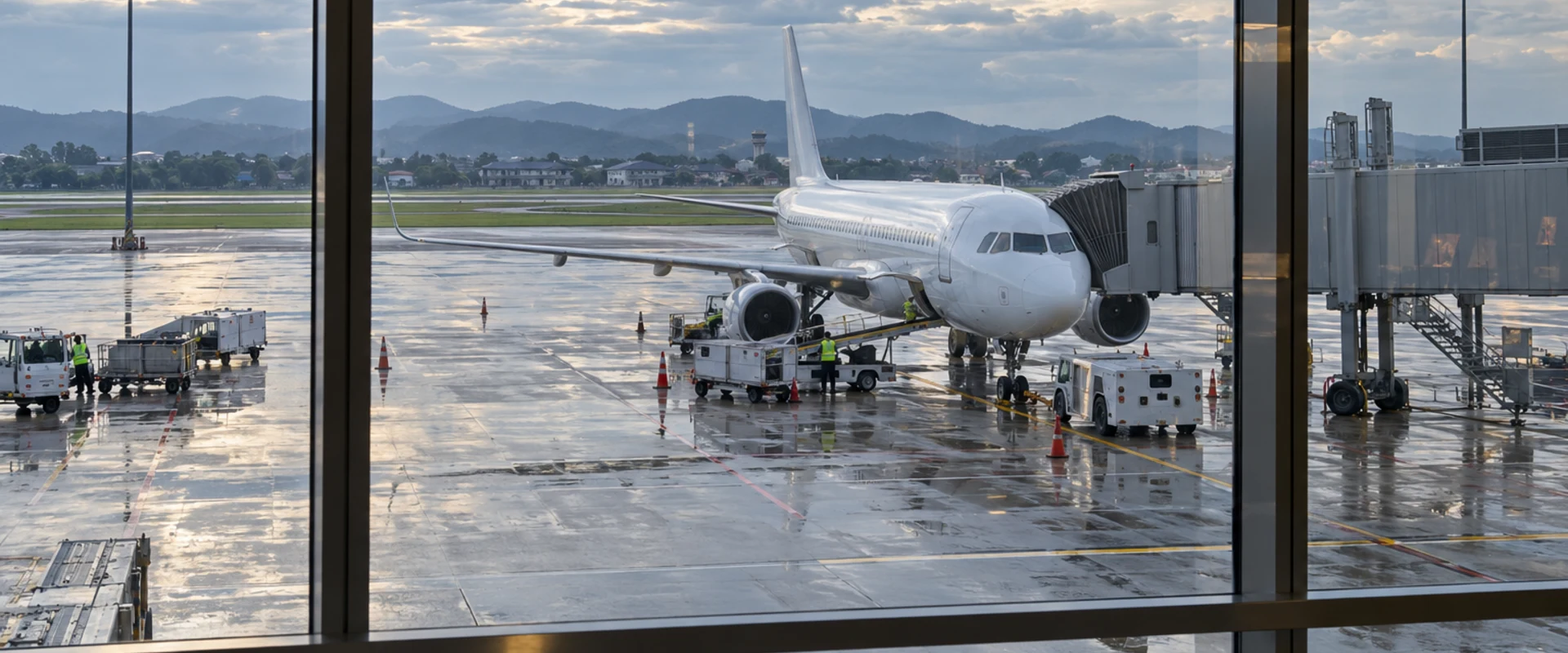
Thailand’s aviation regulator has ordered wider checks of Suvarnabhumi Airport’s operating surfaces after a China Airlines aircraft became stuck in damaged pavement while preparing to depart on 28 October.
Reports published on 29 October describe an inspection programme covering runways, taxiways and aircraft parking areas, with particular attention to locations considered at higher risk. The airport is in Samut Prakan and serves international and domestic journeys across Thailand.
What happened
Flight CI840 was preparing to leave for Kaohsiung in Taiwan when it became immobilised near runway 02R and taxiway E21. The Nation reports that the obstruction affected five flights, including aircraft following behind it.
Khaosod’s account of the airport’s clarification says the aircraft carried 116 passengers and eight crew. The airline arranged replacement travel and provided accommodation and refreshments while affected passengers waited.
Repairs and checks are separate issues
Officials reported repairs to the damaged area, while the Civil Aviation Authority of Thailand called for broader inspections to reduce the risk of another incident. Reports describe a recommendation to use non-destructive inspection technology to examine surfaces without drilling into them.
Published accounts differ on the reopening timetable: Khaosod carries the airport’s statement that the runway reopened on the morning of 29 October, while The Nation reports a later conditional target that day pending surface checks. This article therefore does not treat either clock time as a verified final operational timeline.
What passengers should do
The incident does not establish that all flights are delayed today or that the airport is closed. Check your airline’s live flight status and any direct messages about your booking before travelling.
If your service is changed, use the airline’s confirmed arrangements for rebooking and onward connections. Travellers with separate tickets should also check their next carrier’s requirements rather than assume a connection will be held.
The inspection order is a safety response. A final engineering finding on the underlying cause was not established in the evidence reviewed for this update.